
 1 month ago
22
1 month ago
22 
It is pretty easy to make your own homemade communion bread with this Communion Wafers recipe that I am sharing with you today.
These simple homemade communion wafers are easy to make using just a few ingredients.
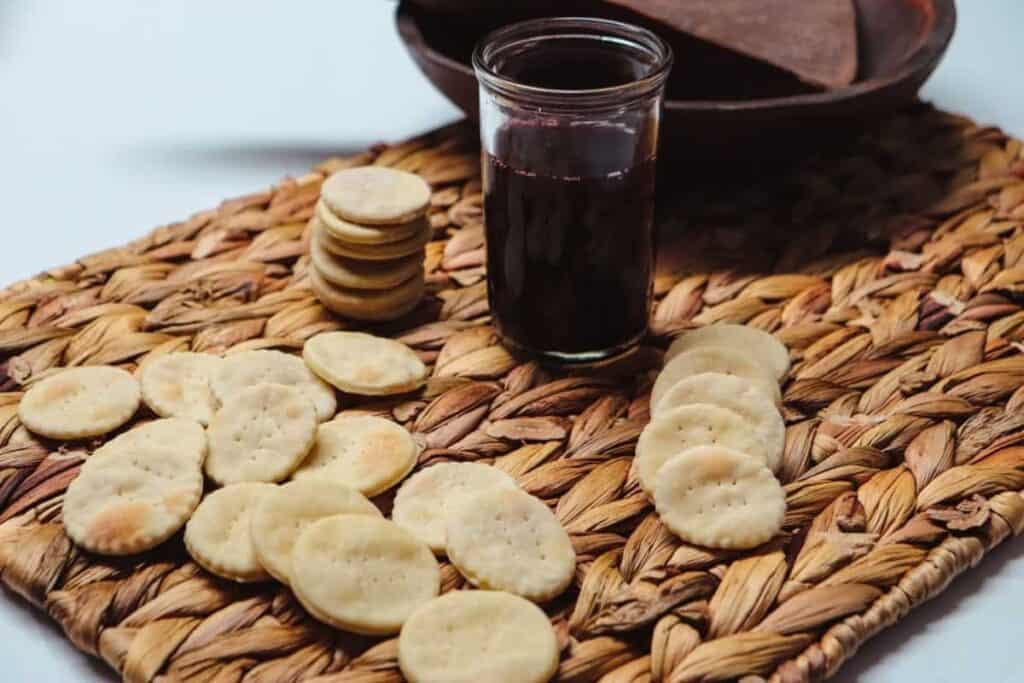
Many of us like to spend some time focusing on the Lord’s Supper during our Easter celebrations.
For many church members, they find they have to stay home and join in church services online for now and that means they might be missing out on communion. But you don’t need to miss out any longer with these homemade communion wafers.
What Are Communion Wafers?
Communion wafers are small pieces of unleavened bread used during the Christian sacrament of communion. Many churches use wafers or small pieces of bread to represent the body of Christ during the Lord’s Supper.
Traditional communion bread is unleavened, meaning it is made without yeast. This connects to the biblical tradition of unleavened bread used during Passover.
Some churches purchase pre-made wafers, while others prefer to make simple homemade communion bread using a few basic ingredients.
You can easily make your own golden brown communion bread recipe to commemorate the Lord’s supper with the body of Christ.
If you are planning to participate in Sunday morning worship services at home or simply want to enjoy the holy sacrament of the Last Supper communion table any time in your own house, this this a great way to do so!
Communion Wafers Recipe
This recipe for unleavened bread does not use any active dry yeast. If you’re looking for a simple communion bread recipe, these homemade communion wafers are easy to make using just a few basic ingredients.
This simple recipe makes 135 wafers.
You could technically use any of your favorite bread recipes to make a “communion bread”.
However, this one is the closest to authentic wafers you get at a catholic church to celebrate the lord’s supper.
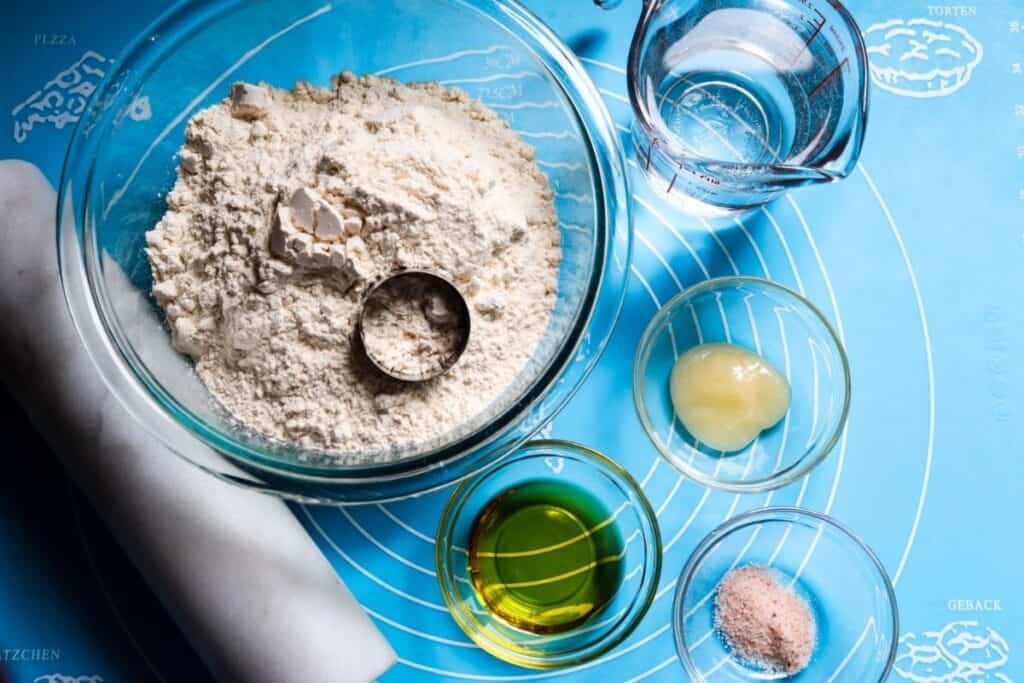
Gather these ingredients needed to make Unleavened Communion Bread
All purpose white flour Hot water Olive oil Honey SaltThen scroll down for full Communion Wafers Measurements and instructions on creating this recipe – including a full recipe card that you can print for free that helps you shop and create easily in your kitchen!
Why Is Communion Bread Unleavened?
Communion bread is often unleavened because it reflects the bread used during the Passover meal in the Bible. During Passover, the Israelites ate unleavened bread as they left Egypt quickly and did not have time for bread to rise.
Because the Last Supper took place during Passover, many Christian traditions continue to use unleavened bread when celebrating communion.
However, some churches use regular bread, while others use wafers or crackers depending on their traditions.
When Are Communion Wafers Used?
Communion wafers are used during the Christian sacrament of communion, also known as the Lord’s Supper. During this time, believers remember the sacrifice of Jesus Christ and the bread represents the body of Christ.
Many churches celebrate communion regularly, while others observe it during special services such as Easter or other important gatherings.
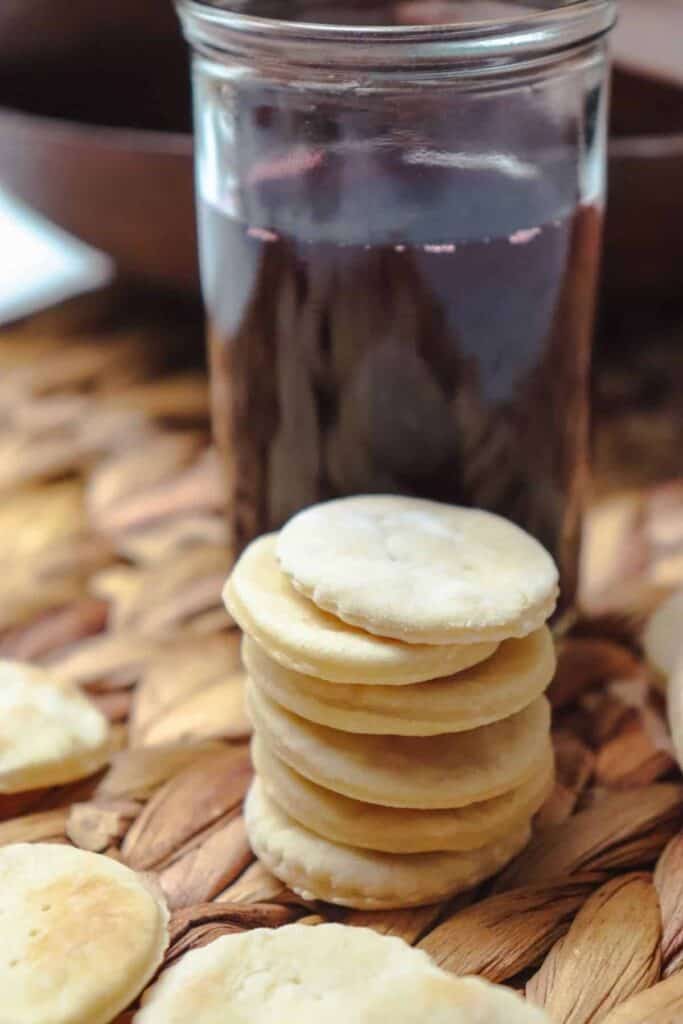

How to Make Gluten-Free Communion Bread
This recipe call for regular flour but you can also use gluten-free flour instead of all-purpose flour, to make these gluten-free communion wafers for those with gluten sensitivity. This is perfect for someone that would need a low-gluten wafer or gluten-free wafers to join in communion service with everyone else.
I have not tried it myself, but I bet you could even replace the white flour with whole wheat flour as long as you do not celiac disease or a gluten intolerance.
Additional Items needed to make your own recipe:
1 1/2” round cookie or biscuit cutter rolling pin forkHow to Make Homemade Communion Wafers
Making homemade communion wafers is surprisingly simple. Because the bread is unleavened, the dough comes together quickly and does not require rising time.
To make communion wafers, you simply mix the ingredients together to form a dough, roll the dough thin, and bake it until firm. Once the bread has cooled, it can be cut or broken into small pieces to serve during communion.
How to Make Homemade Communion Bread
Step 1: In a large bowl or stand mixer with a dough hook, mix flour with the other ingredients.
Make sure to scrape down the sides of the large mixing bowl, as you are mixing.

Step 2: Transfer to a floured surface and knead for 3 minutes.
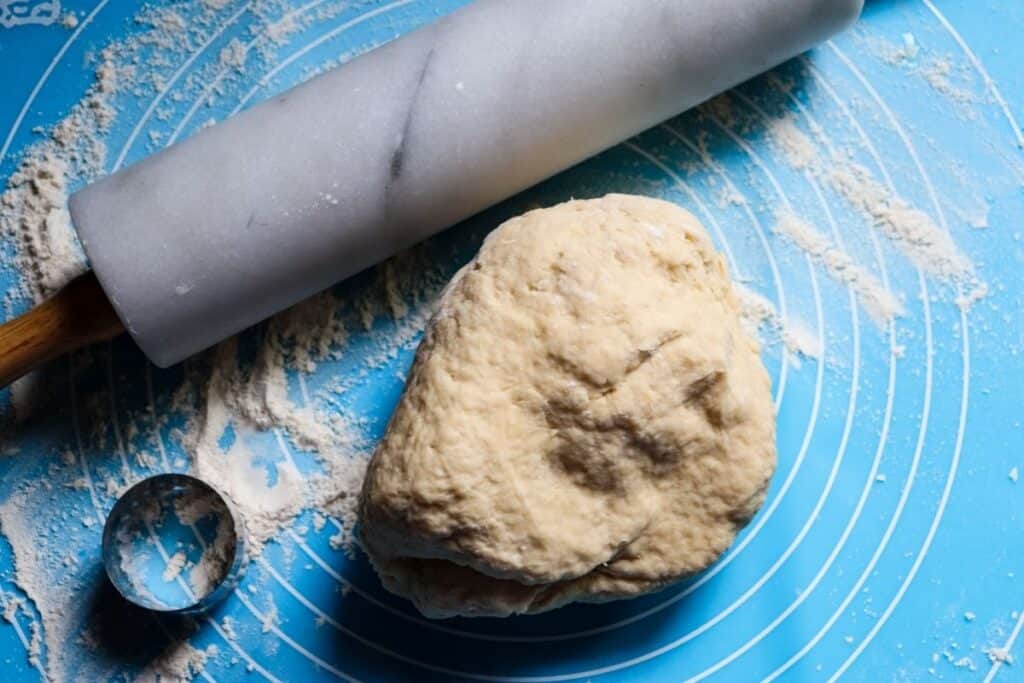
Step 3: Roll out the soft dough to 1/8” thick. Cut out circles with your cookie cutter.
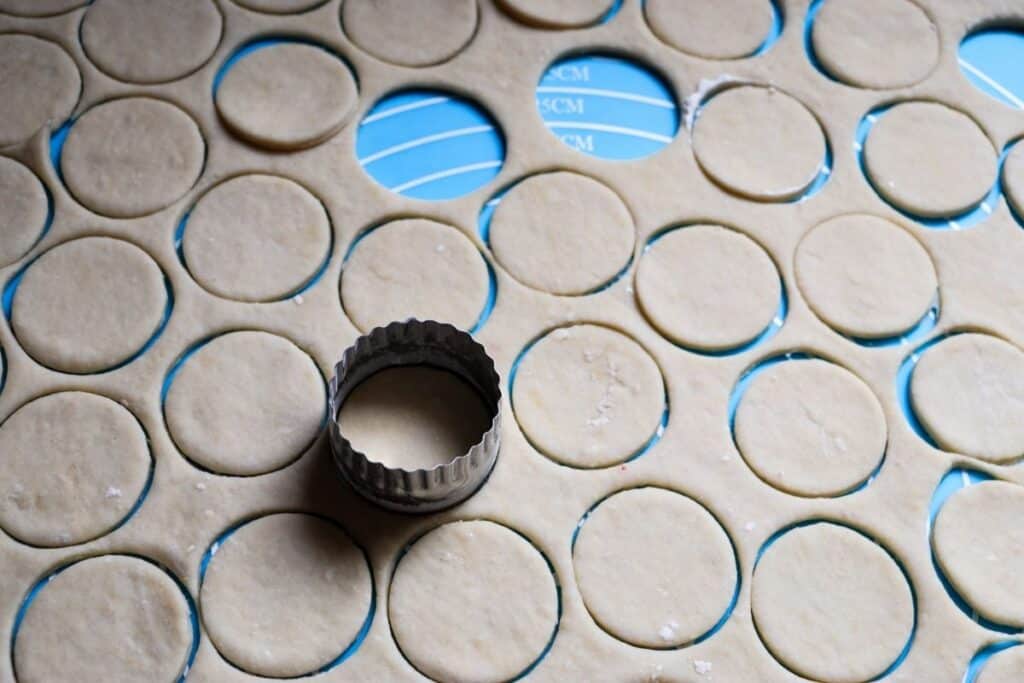
Saving Dollars and Sense Tip: If you do not have a cookie cutter that will work, you could just use a pizza cutter or sharp knife and cut your wafers into small individual squares.
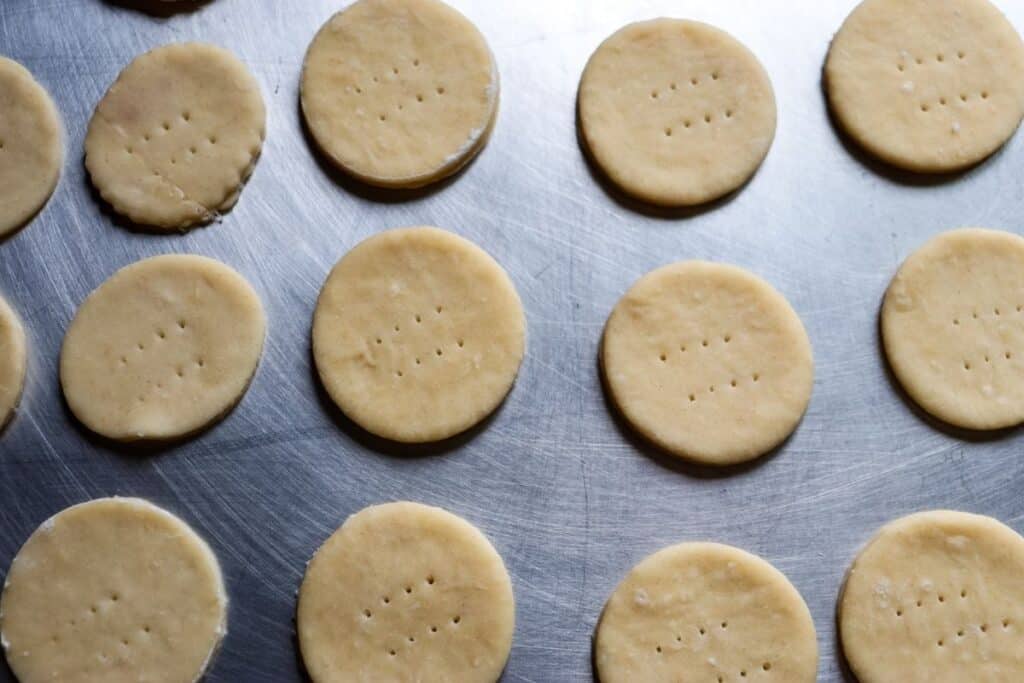
Step 4: Transfer wafers to baking sheet that has been covered with a sheet of parchment paper.
Prick wafers with fork 2-3 times.
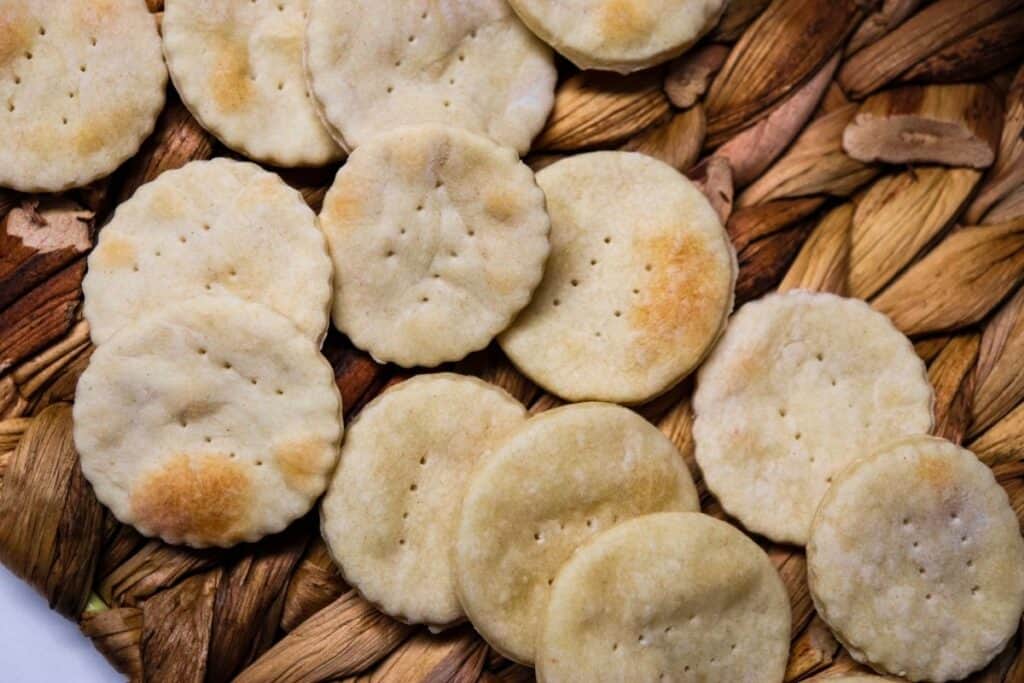
Step 5: Bake at 400° for 5-8 minutes.
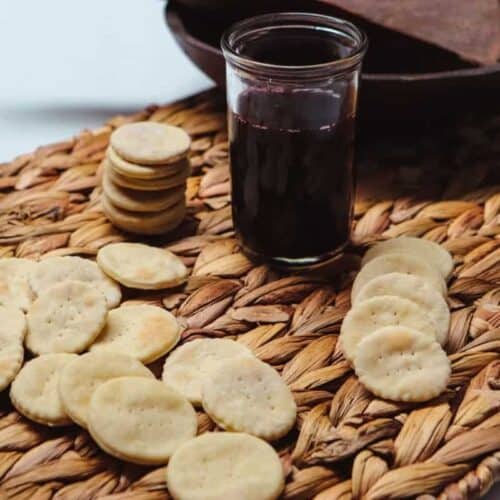
Enjoy communion of the lord’s supper with these and with a little bit of grape juice.
Tips for the Best Communion Wafers
Making communion wafers at home is very simple, but a few tips can help them turn out well.
• Roll the dough thin so the wafers bake evenly
• Score the dough before baking to create small portions
• Watch carefully while baking so the bread does not brown too much
• Let the bread cool completely before breaking into pieces
These tips help create simple, crisp wafers that are easy to serve during communion.
How to Store Homemade Communion Wafers
You can store these unleavened communion bread wafers for up to 2 weeks in an airtight container. If you want to keep them longer, you could also store them in freezer bags in the freezer until needed.
FAQs
Yes, many churches and families make simple homemade communion bread. Basic recipes often use flour, water, oil, and salt to create unleavened bread that can easily be broken into small pieces.
Yes, communion wafers can easily be made ahead of time. Once the wafers have cooled completely, store them in an airtight container at room temperature. Many churches prepare communion bread a few days in advance so it is ready for their next service.
Communion wafers are usually rolled very thin before baking. Thin dough helps the wafers bake evenly and creates the crisp texture that makes them easy to break into small pieces for serving during communion.
Yes, homemade communion bread can be frozen if you need to prepare it further in advance. After baking and cooling the wafers, store them in a freezer-safe container or bag. When ready to use them, allow the bread to thaw at room temperature before serving.
Not all churches use wafers for communion. Some churches use small wafers, while others use pieces of bread or a loaf that is broken during the service. The tradition can vary depending on the denomination and church practices.
Communion bread is typically plain because it represents the simplicity of the bread used during the Last Supper. Most recipes avoid ingredients like yeast or sugar and instead use a few basic ingredients to create a simple unleavened bread.
Are you are looking for more good recipes for Easter?
Resurrection Rolls Easter Lamb Cupcakes





 Bengali (Bangladesh) ·
  English (United States) ·