
 1 month ago
13
1 month ago
13 
A director can spend years building a reputation for making great movies, earning awards, attracting major stars, and delivering exactly what audiences expect. Then one project comes along and somehow everything falls apart. Sometimes the idea sounds perfect on paper, sometimes the cast is stacked with talent, and sometimes the director’s previous work makes the disappointment even harder to understand. Even highly respected filmmakers have movies that simply do not connect with audiences or critics. These are the films that stand out in otherwise impressive careers, proving that even the safest names in Hollywood can occasionally make a movie that leaves everyone wondering what happened.
 IMDb
IMDb
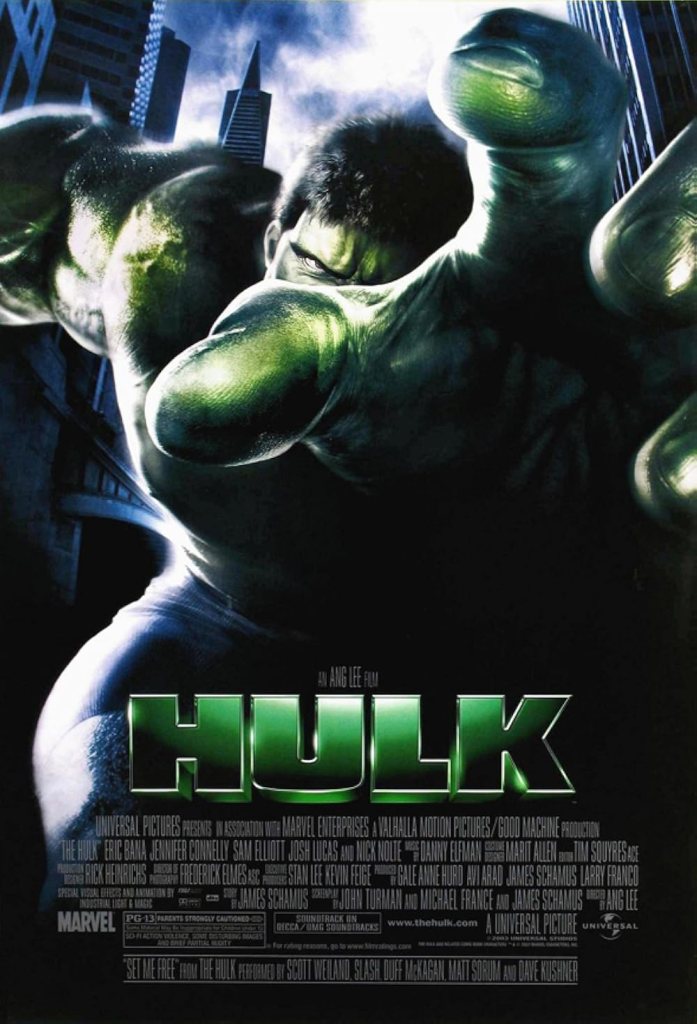
Ang Lee, Hulk (2003)
Ang Lee followed acclaimed dramas with a superhero movie that was visually ambitious and structurally unusual. Hulk was not a financial disaster, but its reception was mixed enough to make it one of the less celebrated films in Lee’s career.
 IMDb
IMDb
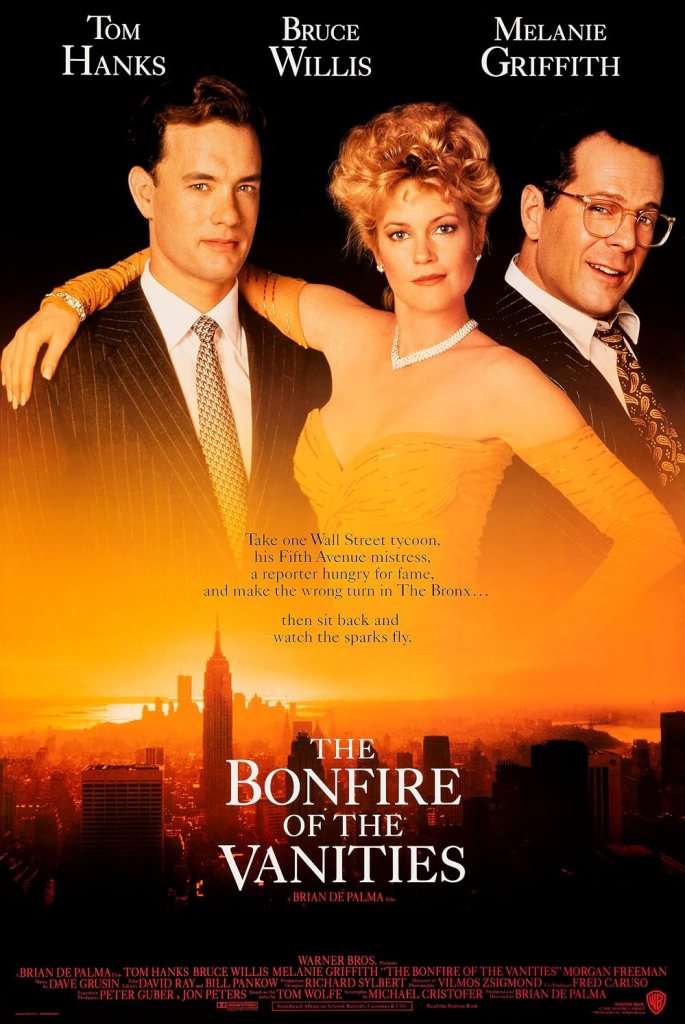
Brian De Palma, The Bonfire of the Vanities (1990)
Brian De Palma had already directed major successes including Carrie, Scarface, and The Untouchables. The Bonfire of the Vanities had an impressive cast led by Tom Hanks, but the adaptation became a notorious critical and commercial failure.
 IMDb
IMDb
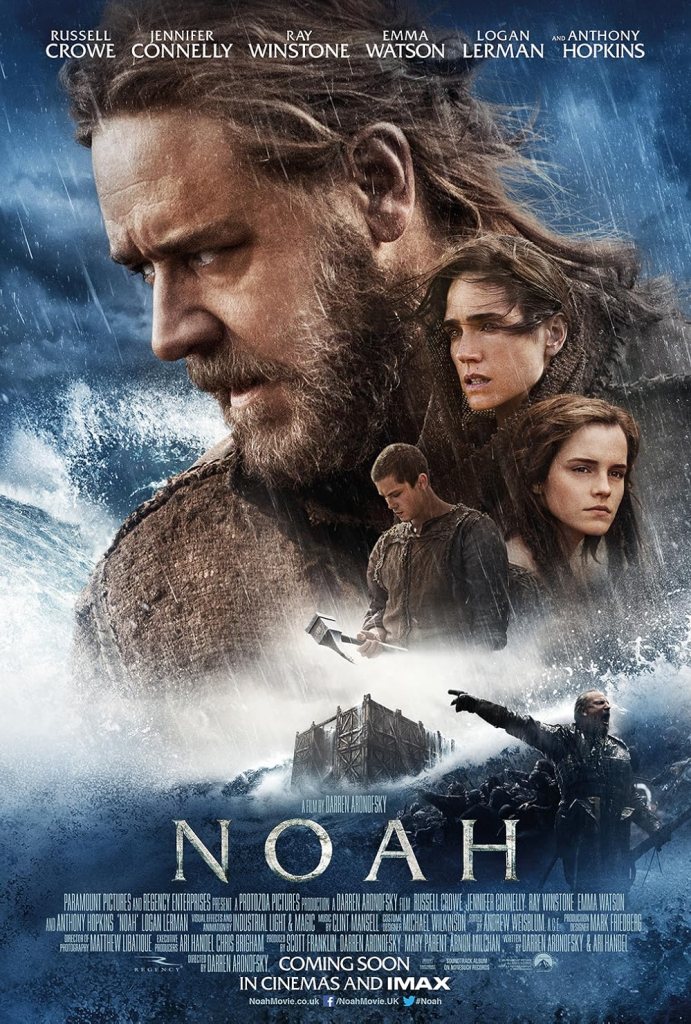
Darren Aronofsky, Noah (2014)
Darren Aronofsky had built a reputation for intense and unconventional dramas before taking on the biblical epic Noah. The film divided audiences and critics, while its unusual interpretation of the story made it a much more complicated success than a conventional blockbuster.
 IMDb
IMDb
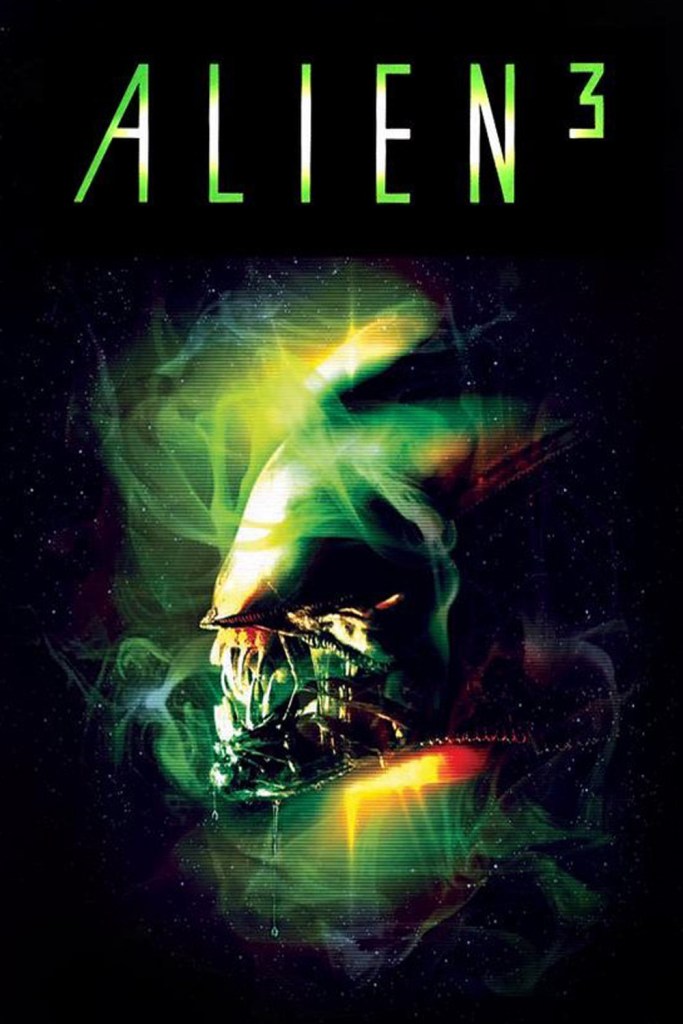
David Fincher, Alien 3 (1992)
David Fincher’s first feature film came with enormous expectations after the success of the first two Alien movies. Production problems and studio interference reportedly made the experience difficult, and the finished film became one of the more divisive entries in the franchise.
 IMDb
IMDb
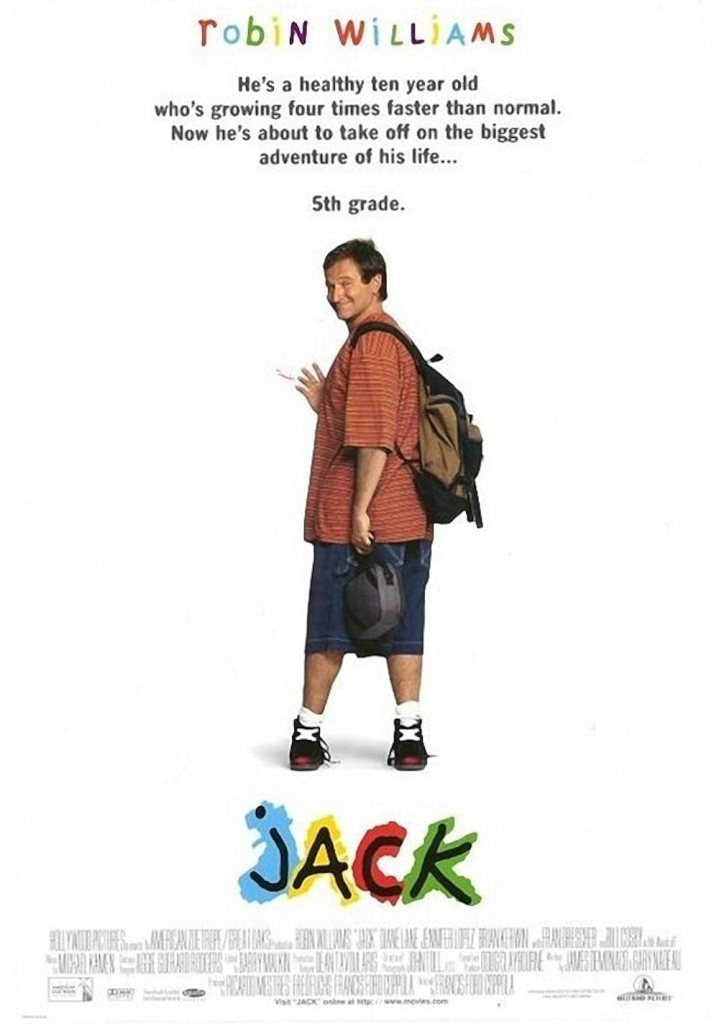
Francis Ford Coppola, Jack (1996)
Francis Ford Coppola directed some of the most celebrated films in American cinema, making Jack a particularly strange entry in his filmography. Robin Williams plays a child who ages four times faster than normal, and the resulting comedy received a chilly critical response.
 IMDb
IMDb
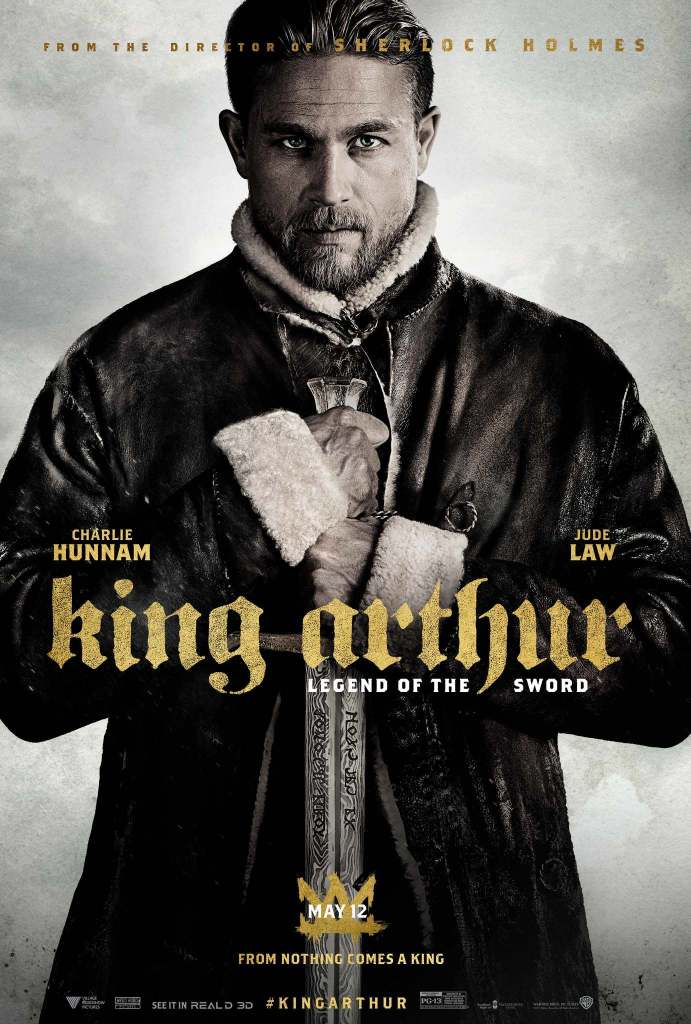
Guy Ritchie, King Arthur: Legend of the Sword (2017)
Guy Ritchie had already established a recognizable style through films such as Lock, Stock and Two Smoking Barrels and Sherlock Holmes. His attempt to reinvent King Arthur with fast editing, fantasy spectacle, and modern humor became a major box office disappointment.
 IMDb
IMDb
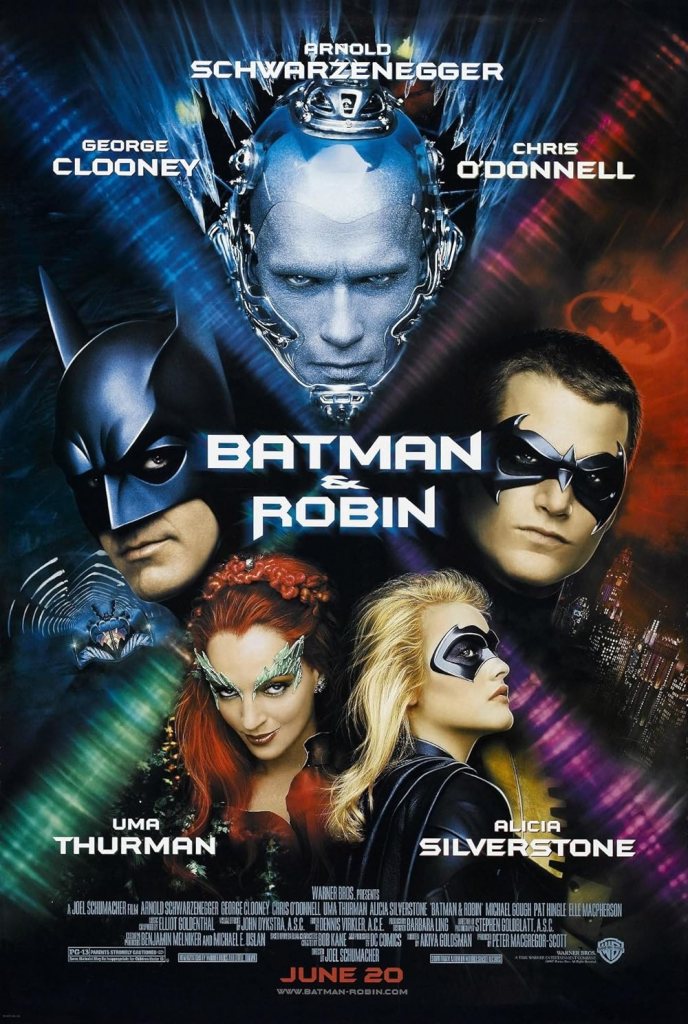
Joel Schumacher, Batman & Robin (1997)
Joel Schumacher had already successfully brought Batman back to theaters with Batman Forever. The follow up went much further with its colorful aesthetic, exaggerated performances, and infamous Bat suit details, becoming one of the most criticized superhero movies of its era.
 IMDb
IMDb
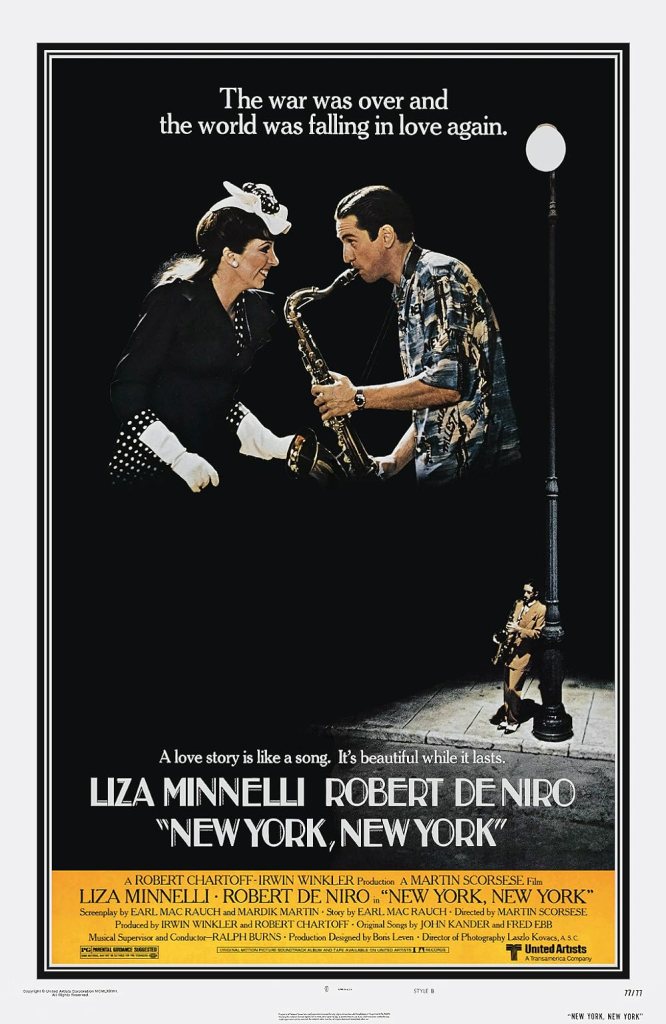
Martin Scorsese, New York, New York (1977)
Coming after Taxi Driver, New York, New York was a major change of direction for Martin Scorsese. Robert De Niro and Liza Minnelli led the ambitious musical, but the movie received a mixed response and performed poorly at the box office.
 IMDb
IMDb
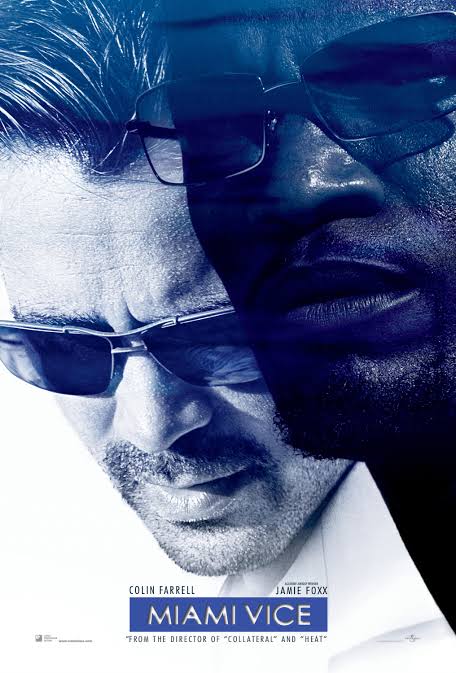
Michael Mann, Miami Vice (2006)
Michael Mann transformed his own television series into a sleek feature film starring Colin Farrell and Jamie Foxx. The movie developed a devoted following over time, but its initial reception was mixed and its box office fell well short of what the director’s reputation suggested.
 IMDb
IMDb
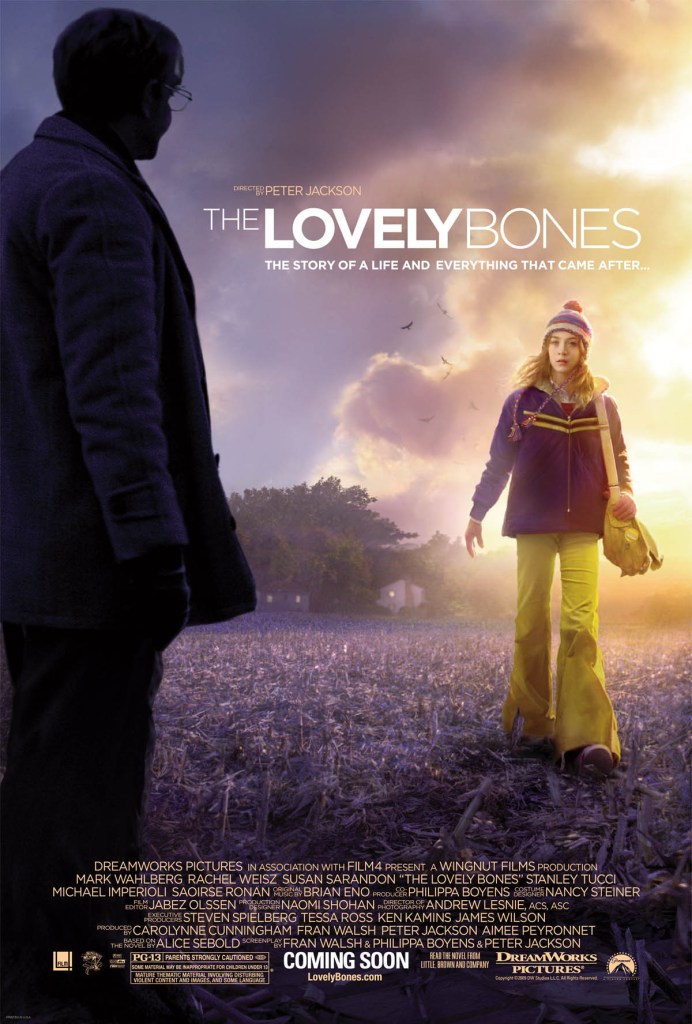
Peter Jackson, The Lovely Bones (2009)
After directing The Lord of the Rings trilogy and King Kong, Peter Jackson had enormous goodwill behind him. The Lovely Bones looked like another prestige project, but its unusual tone and approach to the source material divided critics and audiences.
 IMDb
IMDb
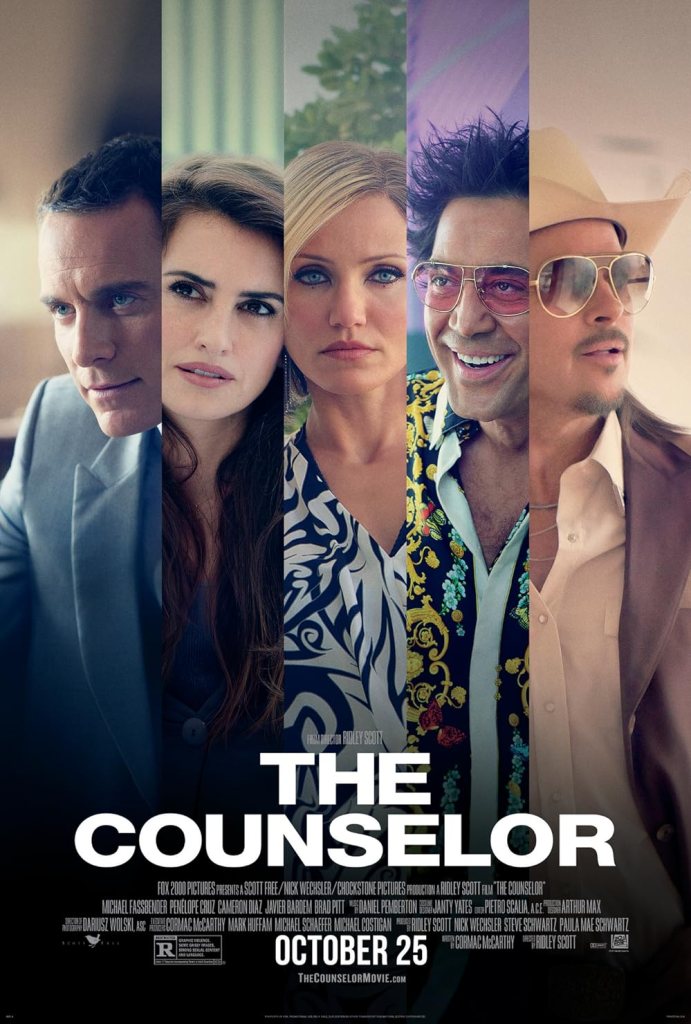
Ridley Scott, The Counselor (2013)
Ridley Scott had already built one of cinema’s strongest track records when he directed The Counselor. Despite a major cast including Michael Fassbender, Brad Pitt, Javier Bardem, and Cameron Diaz, the crime drama was met with a largely negative critical response.
 IMDb
IMDb
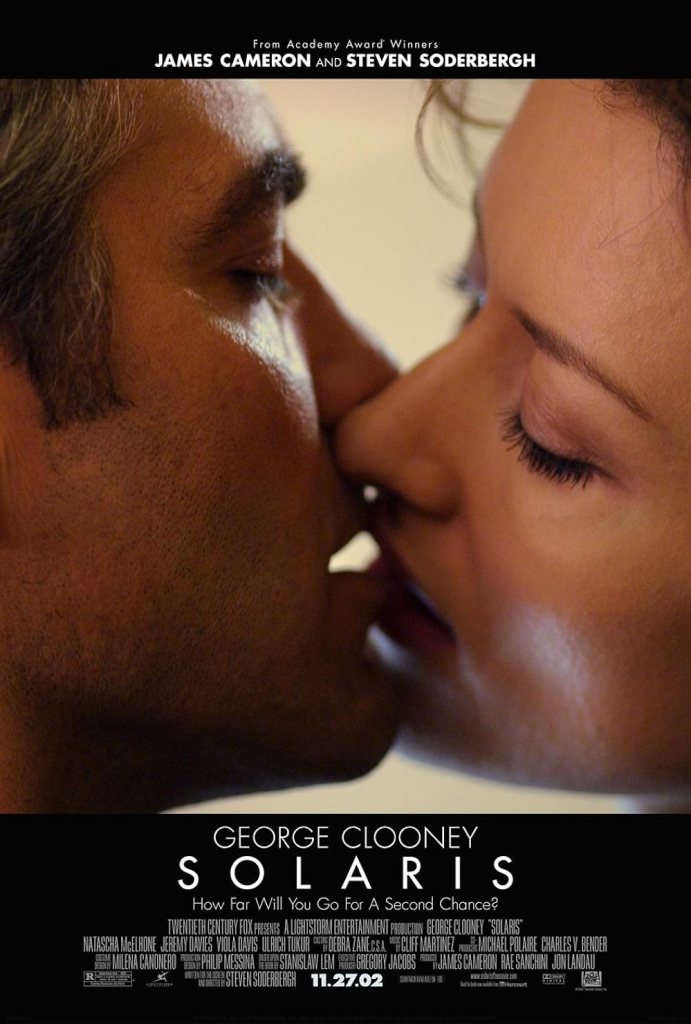
Steven Soderbergh, Solaris (2002)
Steven Soderbergh had already demonstrated an extraordinary range, but his adaptation of Solaris struggled to find a large audience. Despite George Clooney in the lead and Soderbergh’s distinctive filmmaking, the slow science fiction drama underperformed commercially.
 IMDb
IMDb
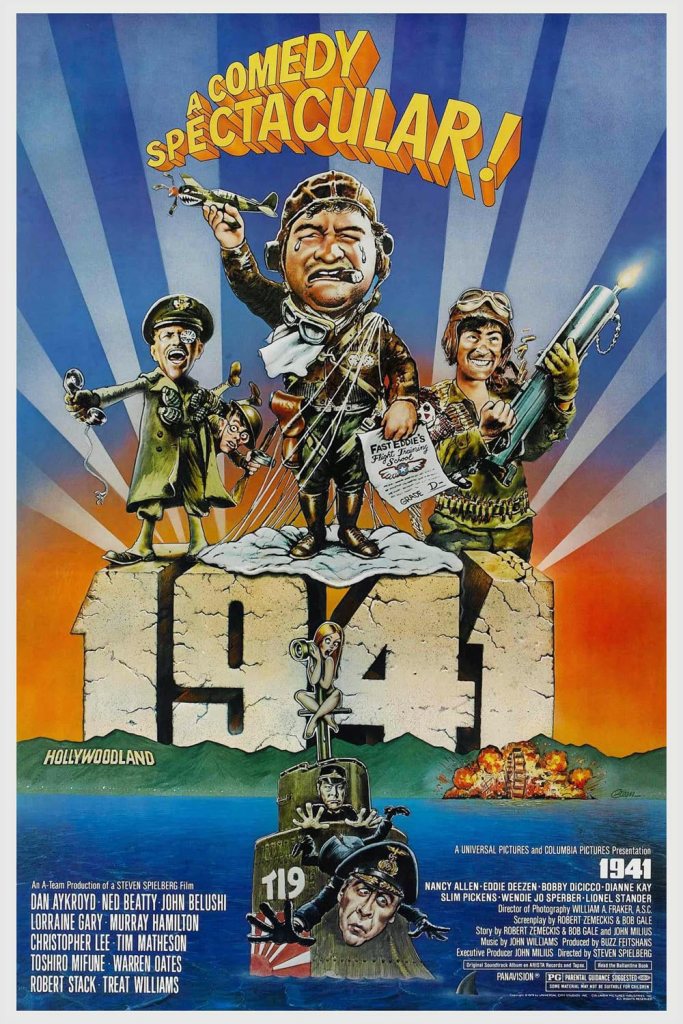
Steven Spielberg, 1941 (1979)
Steven Spielberg had already established himself as one of Hollywood’s most exciting young directors when he made 1941. The massive World War II comedy featured an enormous cast and budget, but its chaotic humor failed to connect with audiences in the way his previous hits had.
 IMDb
IMDb
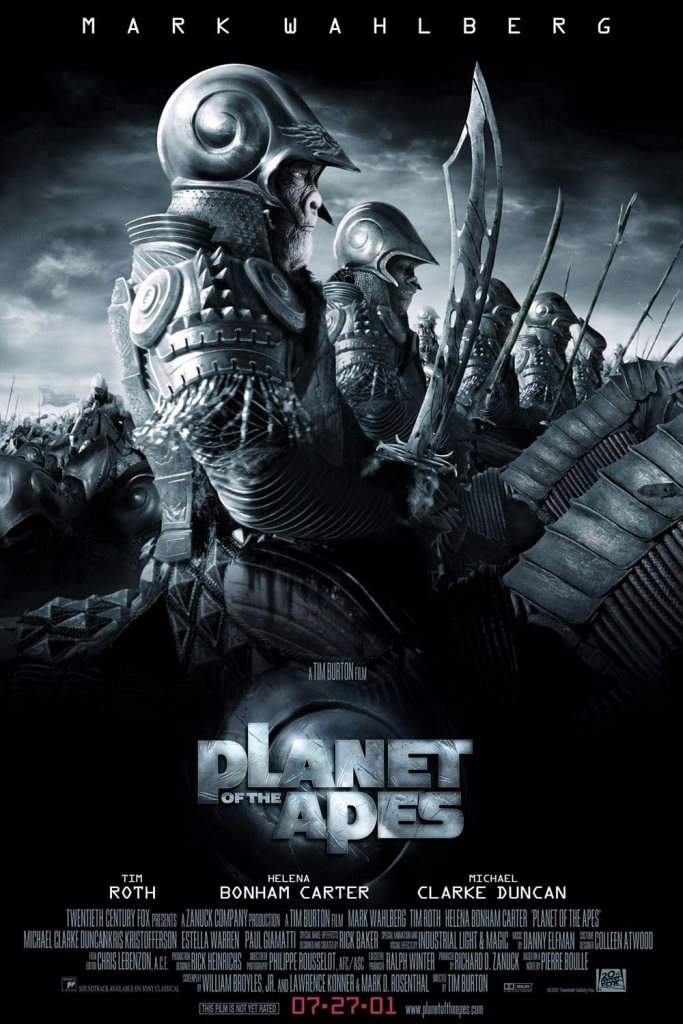
Tim Burton, Planet of the Apes (2001)
Tim Burton seemed like an obvious choice to revive Planet of the Apes, particularly after establishing such a distinctive visual style. The movie made money, but critics were unimpressed, and its reception was nowhere near the level expected from Burton’s return to the material.
 IMDb
IMDb
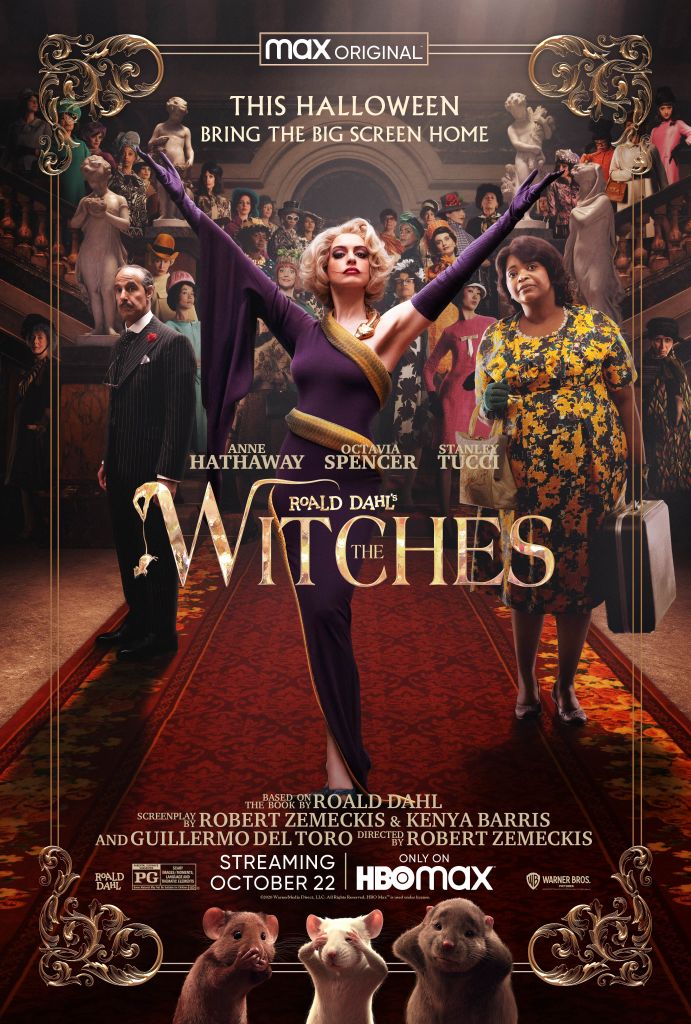
Robert Zemeckis, The Witches (2020)
Robert Zemeckis had directed beloved films including Back to the Future, Forrest Gump, and Who Framed Roger Rabbit. His adaptation of The Witches arrived with a strong cast and impressive visual effects, but critics largely disliked the finished film, and audiences were similarly unconvinced.
The post 15 Trusted Directors Who Still Helmed a Flop appeared first on Den of Geek.


 Bengali (Bangladesh) ·
  English (United States) ·