
 2 hours ago
8

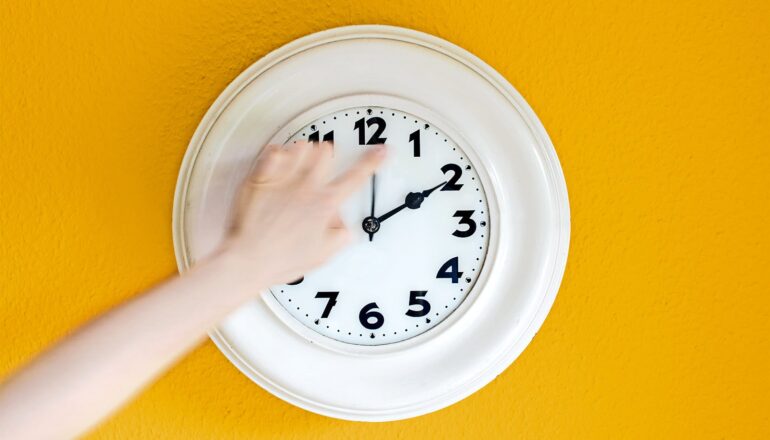
This Sunday, the clocks will “fall back”—as the battle over daylight saving time continues.
In July, the House of Representatives passed the Sunshine Protection Act, which would make daylight saving time permanent. But research shows that daylight saving time doesn’t actually save energy or increase productivity.
Instead, sleep researchers like Susan Kohl Malone, assistant professor at New York University Rory Meyers College of Nursing, agree that daylight standard time is more aligned with our biology.
The later sunrise of daylight saving time “leads to permanent disruption of our natural biological rhythms. We need morning sunlight to get us up and going,” explains Malone.
Malone notes that switching the clock in the spring comes with its own issues, including an increase in car accidents and heart attacks in the week that follows.
“Changing clock times is not good for us, but the bill now in the Senate would lock Americans out of sync with the sun,” she writes in the Boston Globe.
“A brighter winter evening is a poor trade for a darker, groggier, unhealthier winter morning.”
Source: New York University
The post Why permanent daylight saving time is a bad idea for health appeared first on Futurity.





 Bengali (Bangladesh) ·
 English (United States) ·