
 2 months ago
33
2 months ago
33 
An earlier version of this article appeared on August 9, 2023
If you’re an Obliger, you readily meet work deadlines, requests from friends, and obligations to others, but you struggle to meet commitments you make to yourself. Obligers are responsible and reliable—an Obliger is the type of person that others know they an count on.
But every once in a while, an Obliger stops obliging. From the outside, it’s a baffling phenomenon.
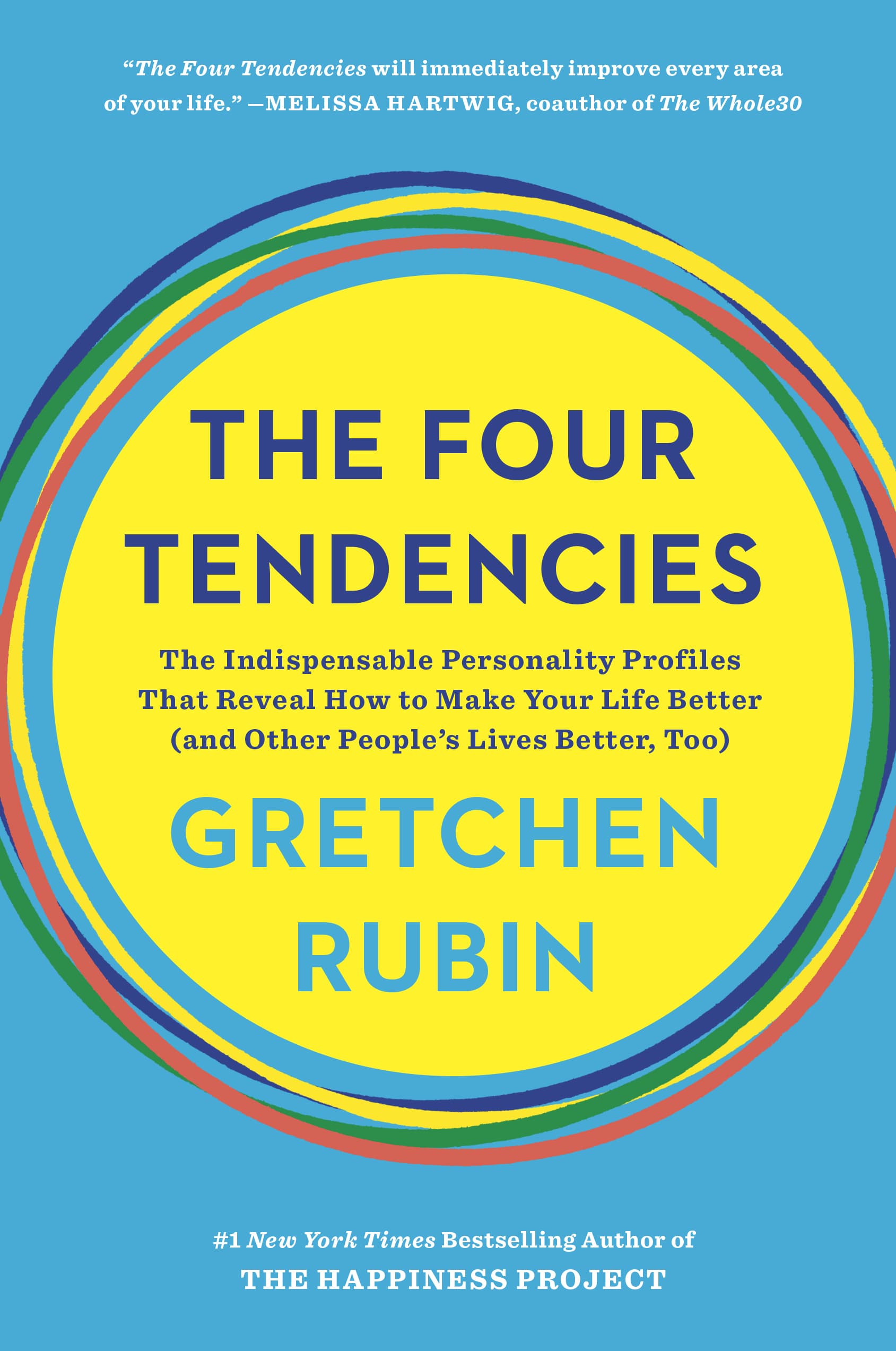
In my book The Four Tendencies, I describe my personality framework that divides people into four “Tendencies”: Upholder, Questioner, Obliger, and Rebel. (You can identify your own Tendency with this free quiz.)
Discover Your Tendency
It’s easier to succeed when you know what works for you. Understand your Tendency to make better decisions, meet deadlines, suffer less stress, and engage more effectively.
Here, I’m going to explore a very particular—and very important—pattern of behavior seen in Obligers: Obliger-rebellion.
It’s important to understand this phenomenon because 1) Obliger is the biggest group, for both men and women, so anything that affects Obligers affects many people and 2) while Obliger-rebellion can sometimes be positive force, it’s often quite destructive.
The behavior of someone in Obliger-rebellion can seem very mysterious–but once you understand the phenomenon, it’s very obvioust.
What is “Obliger-Rebellion?”
Obliger-rebellion is what happens when an Obliger has met, met, met, and met expectations—and then suddenly snaps.
When Obligers feel exploited, over-taxed, unappreciated, neglected, ignored, or disrespected, or when the weight of expectations feels unbearable, they begin to feel mounting anger and resentment. If expectations continue to press, the Obligers’ anger builds to the bursting point. Then they rebel.
This rebellion can be small and symbolic (refusing to answer someone’s emails, refusing to cook dinner for a week, being deliberately late for work) or it can be huge and fateful (ending a twenty-year friendship, quitting a job, getting a divorce).
To someone who hasn’t noticed the warning signs, Obliger-rebellion seems to come out of nowhere. But it never does. The resentment was there—it just wasn’t visible.
Warning signs of Obliger-rebellion:
Here are some warning signs that an Obliger is nearing their breaking point:
They act out of character—for instance, wasting time when they’re usually focused and productiveThey observe of themselves, “I’m not myself, I’m acting out of character”They seem listless and apathetic, without motivation or energyThey engage in self-sabotage—failing to prepare for an important interview, staying up late binge-watching TV during a busy stretchThey feel burdened by activities they usually enjoy, like organizing an office birthday partyThey stop responding to even simple requests, like a text—they go “on strike”They waste large amounts of time scrolling or browsing onlineThey feel physical constriction or discomfort: tight jaw, tense shoulders, stomach upset, bad headaches, back or neck pain, teeth grindingThey procrastinate on tasks they’d normally complete without hesitationThey become resentful, snappish, or curtThey isolate themselves, pull away, or go quiet—partly to protect themselves from additional expectationsThey start thinking about escape, whether through fantasy (moving to an island, quitting everything) or actual preparation (polishing a resume, browsing job listings)Signs that Obliger-rebellion has already started:
Once it tips over:
They explode, blow up, or snapThe anger seems disproportionate or out of the blue to anyone who missed the warning signs aboveThey refuse to meet responsibilities they’ve always handledThey make a dramatic announcement: they quit a job, end a relationship, or declare they’re doneWhat Obliger-rebellion looks like
Here are a few examples from real Obligers:
“I do things to deliberately push the envelope in breaking whatever rule annoys them.”
“After realizing that the workload in my household was way unbalanced, my resentment has sent my Obliger-self into full rebellion. I refuse to cook anything and just pick up take-out. This was accompanied by extreme fatigue, low mood, migraines, and zero desire to do ‘all the things.’ I probably need to find a better way to deal with all of this.”
“I’ve long suffered from ‘perceived’ obligations that eventually lead to resentment and obliger-rebellion. For example, when the in-laws visit, I feel an obligation (unspoken and truly not expected by my in-laws) to prepare gourmet breakfasts, home-cooked dinners, and in general to be the ultimate host. When these gestures go unnoticed, I feel resentful, turn mean, and rebellion ensures. Whether it’s meals, free babysitting, running errands, etc., I go the extra mile and then start feeling resentful as I am doing it. What is my problem? How can I reconcile these desires to serve others without resentment?”
Sometimes, Obliger-rebellion is aimed at the self. If Obligers don’t feel safe directing the rebellion outward, they may turn it inward.
This can look like self-sabotage. An Obliger refuses to prepare for an interview, when it really matters. An Obliger won’t complete schoolwork that could easily have been done.
It may emerge in the area of health. An Obliger refuses to exercise, even though exercise would help manage his back pain. An Obliger refuses to cut back on sugar, even though her diabetes is out of control.
The consequences fall directly on the Obliger, so this is a “safe” way to rebel (as compared to Obliger-rebellion at work, say, which might have significant consequences involving other people).
How to prevent Obliger-rebellion for yourself and others:
Here are some ways to take action or re-frame expectations to try to avoid Obliger-rebellion:
Remind the Obliger that to say “yes” to one person means saying “no” to othersEncourage everyone to speak up for Obligers—is work being unfairly divided? are a few people picking up the slack or the drudge work?Keep a journal to identify patternsConsider the “future-self”—”My future-self will be really angry that I agreed to accept this responsibility; I need to say no to protect my future-self”Remember, “If I don’t do it, someone else gets the opportunity”Think of the duty to be role model for others for setting boundaries, working reasonable hours, etc.Ask, “Are these outer expectations real? Is anyone actually expecting me to do this—plan the icebreaker activity, host the holiday party—or am I assuming this?”Remember that if you want to care for others, you have to care for yourself; as the cliche goes, put on your own oxygen mask first! Here’s a story I told about that challenge.How to deal with Obliger-rebellion once it starts
In general, once it starts, Obliger-rebellion needs to run its course. During that time, if you’re an Obliger in rebellion, it can be helpful to:
Tell people that you feel overworked, unappreciated—or both!Explain the phenomenon of Obliger-rebellion to others, so they understand why a puzzling behavior actually makes sense—you didn’t explode after one simple comment; that your resentment had been building for a long timeKeep a journal to identify responses and patternsTake a vacation, turn off all devices for a weekend, play hooky—sometimes, to keep going, we have to allow ourselves to stopConsult with a friend—do they think you should ask for a break, tell people “no,” etc? If they advise you to draw a boundary, ask them to hold you accountable for doing soFrequently Asked Questions about Obliger-rebellion
Do Upholders, Questioners, or Rebels also experience their own form of Obliger-rebellion?
Some Upholders, particularly UPHOLDER/Obligers, sometimes experience Upholder-rebellion, but it’s far rarer. Upholders are usually good at drawing boundaries, taking time for rest, and saying “no,” because it’s so important to them to meet inner expectations.
Sometimes, too, Upholders may seem to rebel, when in fact they’ve decided that the rules have changed. For instance, one Upholder told me, “During the pandemic, I decided that every contract I had with myself was voided by force majeure and stopped doing everything.” So they are, in fact, meeting outer and inner expectations.
Questioners don’t fall into rebellion because they don’t do anything that doesn’t make sense to them, and Rebels don’t fall into rebellion, because they don’t do things they don’t want to do.
Can Obliger-rebellion lead to positive outcomes?
Absolutely! While it can sometimes have destructive effects, Obliger-rebellion is meant to be a constructive phenomenon—it’s the emergency parachute that allows an Obliger to escape from a situation where expectations are just too high.
Obliger-rebellion can allow someone can get out of a bad marriage, a bad job, or a bad relationship. If you want an example of how Obliger-rebellion might have saved someone, read The Remains of the Day by Kazuo Ishiguro. If the main character Stevens had been an Obliger instead of an Upholder, Obliger-rebellion might have made his life much happier.
Here’s what one Obliger said:
Eleven years ago before I knew anything about the Four Tendencies, I quit my job of 19 years and left a 4 year toxic relationship. This happened in a span of a few months. I wanted to share the message that I don’t think every obliger rebellion is a bad one and perhaps trying to prevent them from happening is not always the best course of action. In my case, I went on to find a job that I love and also met the man who’s now my husband. If I had just continued obliging and tried to suppress what I was feeling, I would not be in the happy place that I am today.
What are some things not to say to someone in Obliger-rebellion?
“You need to learn to take better care of yourself.”“Nobody asked you to do it, so why did you agree to it?”“If something’s important to you, just do it.”“I don’t want to help. If you want to do it, knock yourself out. But don’t expect me to play a part.”“You just need to cut yourself some slack.”
I would love to see other examples of Obliger-rebellion. Can you point me anywhere?
Even if the creators aren’t aware of the term “Obliger-rebellion” or don’t know the Four Tendencies framework, it’s very common to see the Tendencies depicted in movies, TV, and books. Because people act according to these patterns all the time!
See if you can spot the pattern of Obliger-rebellion in these movies and novels:
It’s a Wonderful Life27 DressesKramer vs. KramerThe Devil Wears PradaMy Struggle: Book Six by Karl Ove KnausgaardFamily Happiness by Laurie ColwinWho Is Rich? by Matthew Klam (read my discussion)Us by David NichollsWayward by Dana SpiottaHere’s a striking description of Obliger-rebellion from Who Is Rich?
I attempted to interpret my irrational action. Had I ever done this kind of thing before? No. A life in the arts requires vigilance and restraint. Was my behavior out of character? Yes, technically, and also terrifyingly, although it was possible that this was merely the culmination of a period of interior deadness and anger, that something had been building for months, or years, that the recent and ongoing stresses had pushed me over the edge.
If you’ve ever experienced or witnessed Obliger-rebellion, does this description ring true to you? How have you realized that Obliger-rebellion was brewing, and what have you done to handle it?
The post What is Obliger-rebellion? Signs, causes, and how to handle it appeared first on Gretchen Rubin.




 Bengali (Bangladesh) ·
  English (United States) ·