

Less than two years ago, Surgent Studios was on the brink. Its debut project, the afrofuturist metroidvania Tales of Kenzera: Zau, reviewed well but underperformed commercially. In July 2024, Surgent laid off around a dozen employees. Three months later, it put its entire team on notice for redundancy.
It's a trajectory that's all too familiar in today's games industry. But the story didn’t end as it seemed destined to. Since then, Surgent has released not one, but two games, each completely different from the other.
(Image credit: Surgent Studios)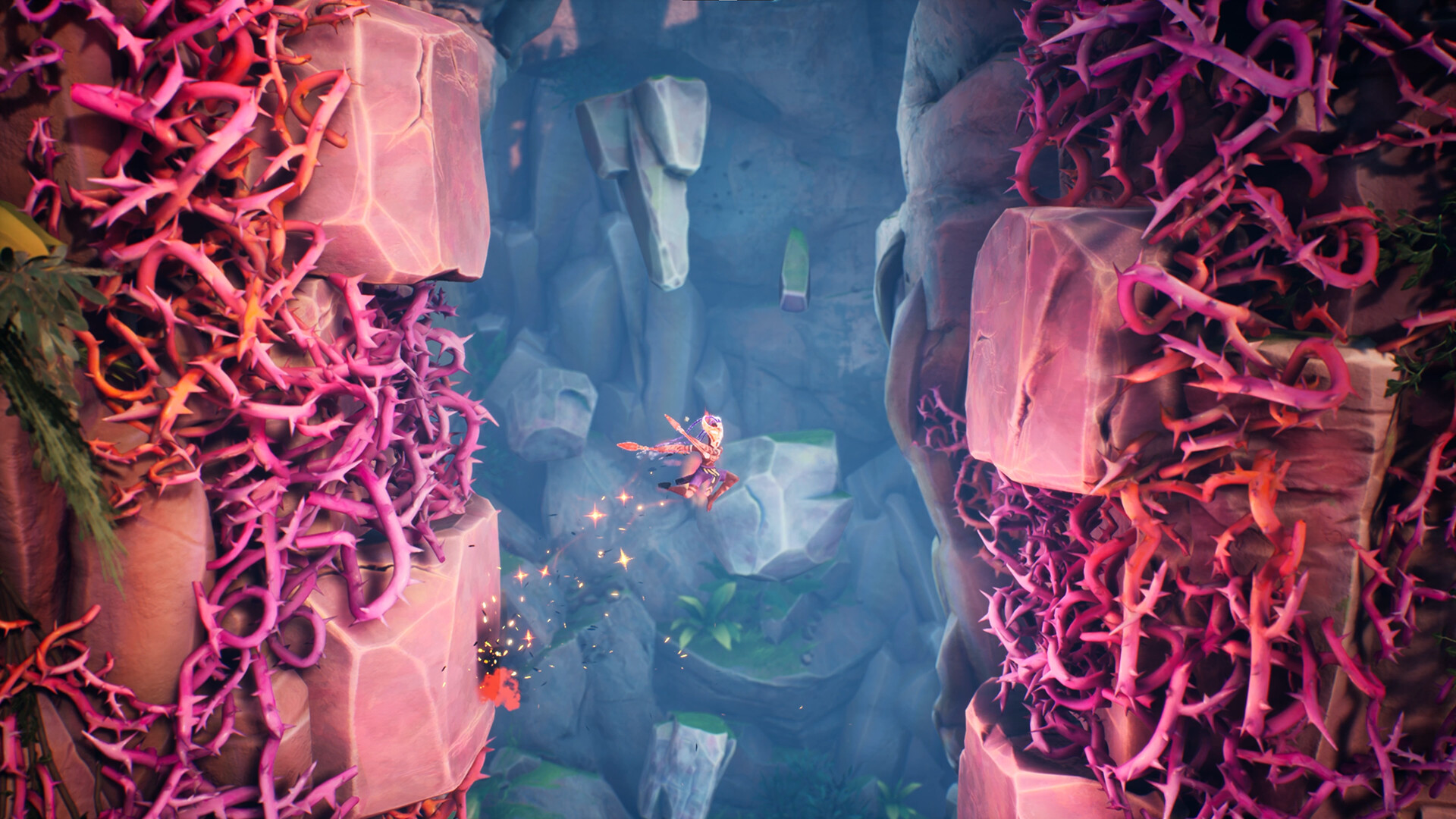
It's a remarkable turnaround, and quite the pivot from spending five years building Zau. Surgent's director, the actor Abubakar Salim, tells me it was not the original plan. "We were very much close to going down the route of making a game every three to four years and going bigger and bigger," he tells me over a video call. "We just had to adapt and change because we're still indie, and we're still quite close to the ground."
Surgent's switch from a traditional game development model to a rapid turnaround was prompted by several different factors. One was a conversation with the publishing arm of Pocketpair—the developers of Palworld.
"I'll always thank Bucky and Palworld for this, because I remember pitching them this big idea. What we were originally going to make was triple times the budget of what Zau was," he says. "And I pitched it to Bucky, and Bucky was like 'Ah, it's a bit too big for us.'"
(Image credit: Surgent Studios)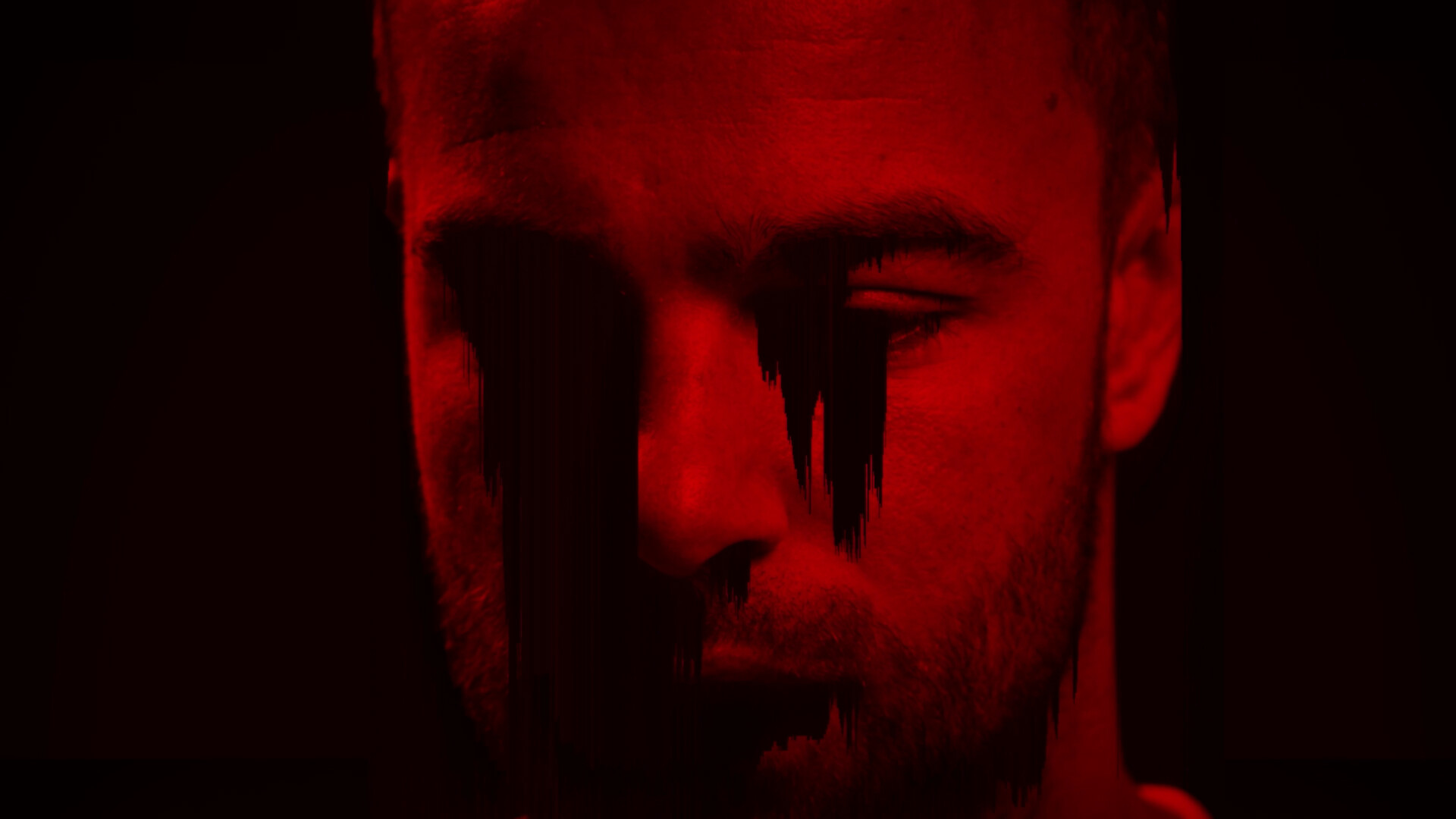
Undeterred, Salim quickly came back with a new, smaller idea. "I kind of was like 'Fuck it, how about I just make this really funny horror game?' Well, I say funny, it was a very dark horror game," he says. "It's gonna be like an FMV, Command & Conquer-esque videos, but also really dark, like P.T."
The result was 2025's Dead Take, a short, sharp narrative horror with performances from Neil Newbon and Ben Starr. Dead Take was well received on Steam, while the much lower overheads for the game meant it didn't need to find a huge audience to be successful.
This led Surgent to rethink its approach, focussing less on taking big swings, and instead pursuing smaller, more creative ideas, emphasising sustainability rather than spending years on individual projects.
(Image credit: Surgent Studios)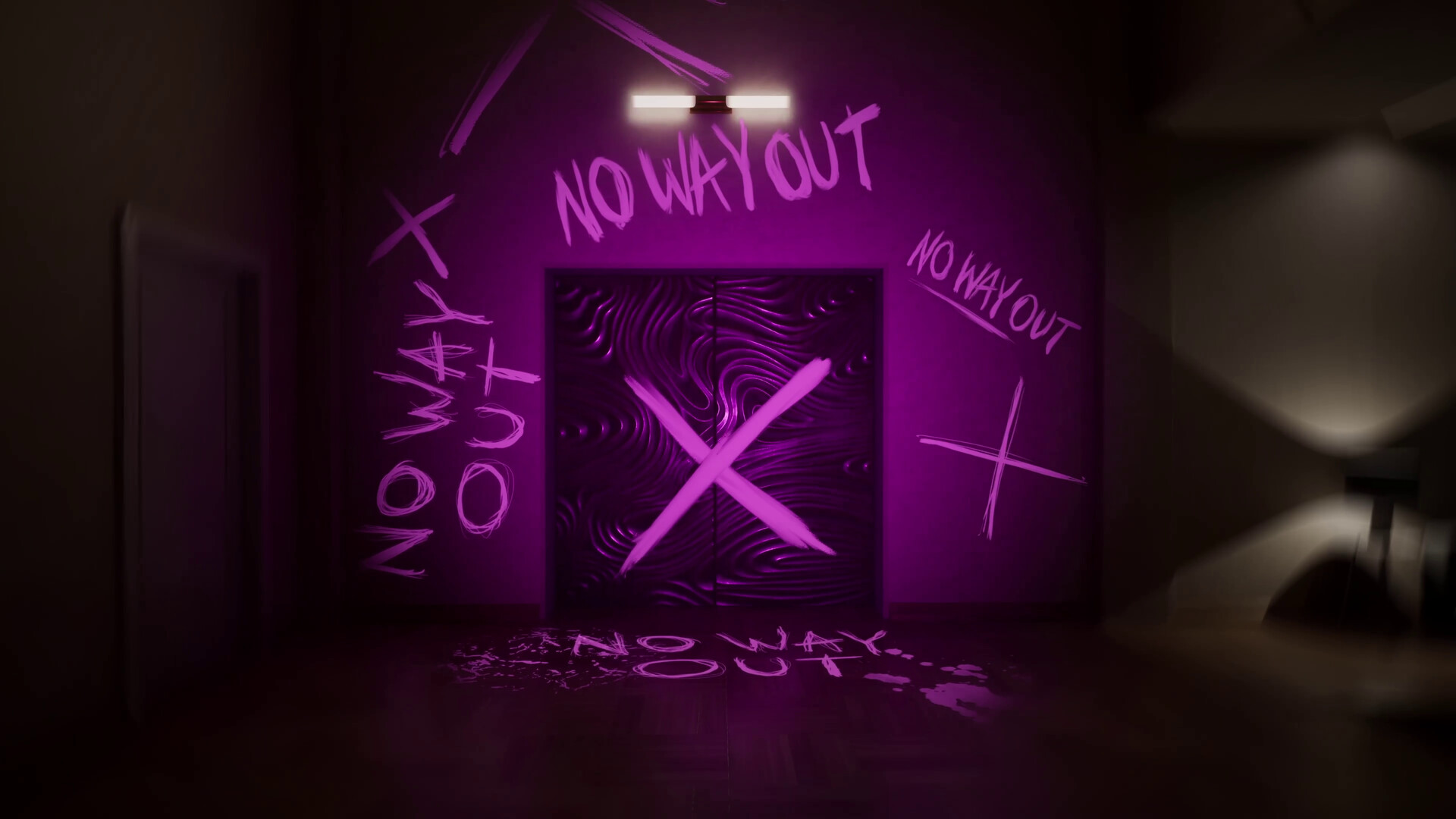
That isn't to say developing Zau was a mistake. Part of the reason Surgent can produce games like Dead Take at speed, according to Salim, is through having developed some institutional knowledge, and mutual understanding of workflows within the team. "It's a very nice dynamic," Salim says. "Because we've now built this really nice cadence between each other, that's why we're able to make games faster."
When I worked with Ridley on Raised by Wolves, this guy was constantly working.
Abubakar Salim
Here, there was another unlikely inspiration for Salim: working with Ridley Scott. "When I worked with Ridley on Raised by Wolves, this guy was constantly working. He was constantly doing something, working on Raised by Wolves, then he was doing Napoleon, then he was doing X," he says. "And it's because he built this conversation with the people that he uses, the head of makeup, the DOPs … and because they understand one another, he's able to build these films out and put these things out, which should take years to make."
With this thinking, Surgent took the momentum from Dead Take and rolled it straight into its new project, FixForce. A colourful take on "friendslop" games (a term Salim himself uses) FixForce sees teams play as robots challenged with fixing contraptions on semi-procedural maps out of random odds and ends like toasters and microwaves.
(Image credit: Surgent Studios)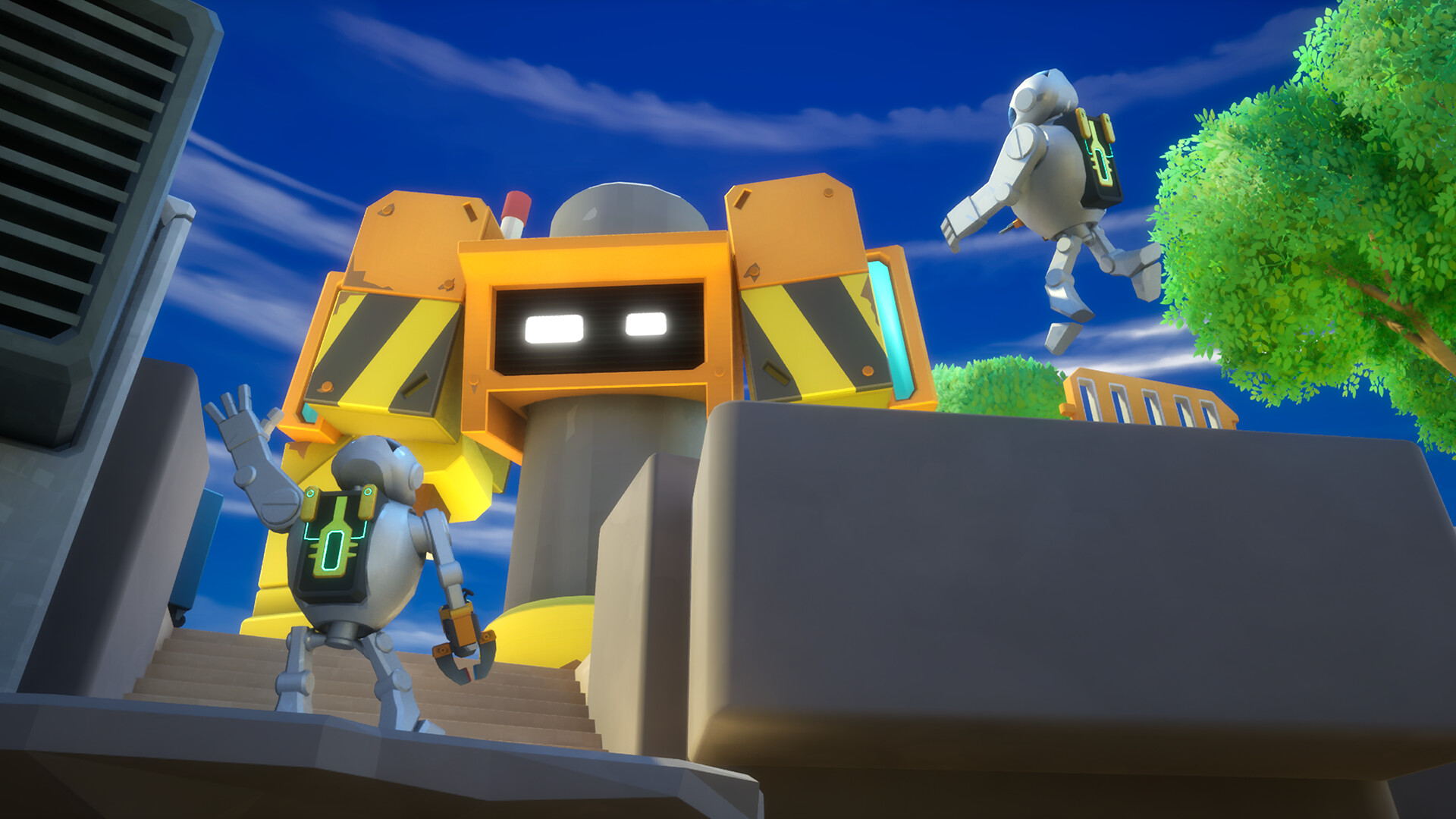
Salim cites several inspirations for FixForce. Its central mechanic, where players can "fix" environmental objects together to create platforms and bridges, was inspired by Baldur's Gate 3. "I remember early [on] when it came out, or during early access, there was a video that circulated which was of a guy scaling the castle by [using] crates they had collected," he says. "It reminded me of Garry's Mod, reminded me of building crazy weird shit and just laughing at the ridiculousness of it. So I was like 'Let's start there'."
Alongside this, Salim was keen to make a friendslop game that was overtly child friendly. "It feels like a lot of the friendslop games are targeted to older people. They're full of horror, full of, not necessarily aggression, but there is just an element of it that feels like it isn't just a laugh."
And FixForce is definitely that. I played a couple of sessions with Salim and Surgent's developers, and it very much plays like a friendslop experience viewed through the lens of Garry's Mod. Not just in the bizarre, cobbled-together platforms and pathways you end up constructing, but in the opportunity for multiplayer shenanigans. While notionally cooperative, FixForce allows plenty of room for pranking your pals, shunting them off ledges or into enemy hazards. But unlike most games of this ilk, this doesn't eliminate you from the game. While your robotic body can be broken, your head remains in play, and can be reattached to any robotic body by your friends or even yourself in certain circumstances.
(Image credit: Surgent Studios)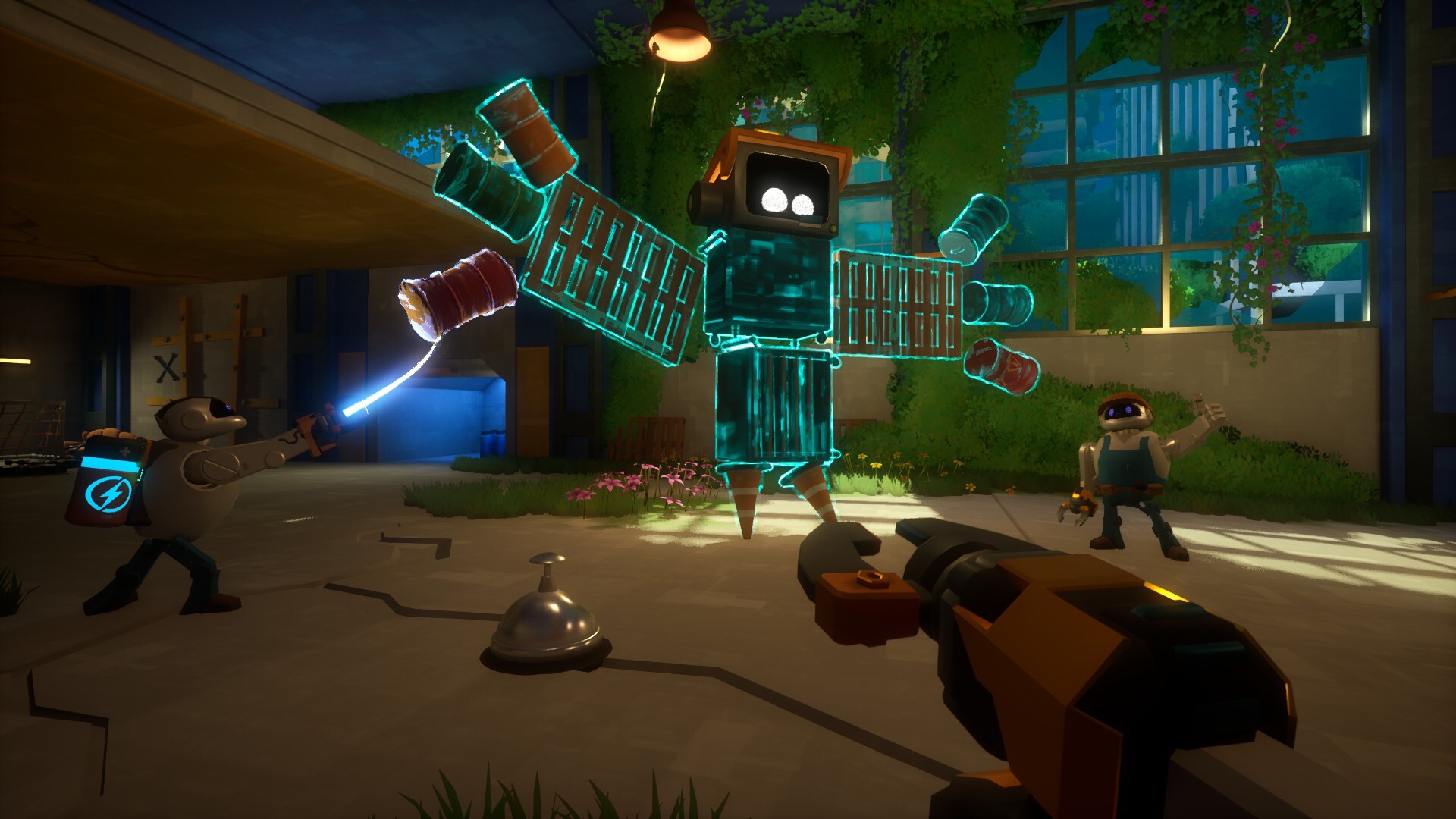
"A lot of the time when you come to these sorts of multiplayer games, once you're dead, you're dead, and, you either spectate, or, you follow your friends around," Salim says. "And I was like 'Ah, man, I want to be in it. I want to constantly be in [the game].'"
Salim doesn't rule out returning to larger projects in the future. On Zau in particular, he says Surgent "wouldn't say no to visiting a sequel". But the reality of selling games today, the roiling scrum that is Steam's new releases list, means that smaller, shorter projects are much more viable. Not just because it's cheaper and puts more eggs in more baskets, it also enables indie developers to actually go through the process of game development multiple times, thereby building the institutional knowledge that might, eventually, lead to something incredible.
"I genuinely do think that, if Supergiant—the ones who made Hades—if they had released their game in this climate, it would have been so difficult. They had to work with one another and find the rhythm to get to Hades," Salim concludes. "It's like any other director in film and TV or actors. You have to do the work in order to find that voice, or find that thing that makes you kind of stick out and stand out."
2026 games: All the upcoming games
Best PC games: Our all-time favorites
Free PC games: Freebie fest
Best FPS games: Finest gunplay
Best RPGs: Grand adventures
Best co-op games: Better together




 Bengali (Bangladesh) ·
  English (United States) ·