

Some days, you still believe. You just do not feel it anymore. It can be hard to tell the difference between spiritual burnout vs depression when your feelings seem distant.
You open your Bible and the words blur past you. You sit in church and sing along, but your heart is elsewhere. You pray, and the ceiling feels closer than God does. And somewhere underneath all of it sits a quiet, unsettling question you have not said out loud yet:
Is this just burnout, or is something actually wrong with me?
If you have been asking that question, this guide is for you. Understanding the difference between spiritual burnout vs. depression is not about labeling yourself.
It’s about finding the right path back, because spiritual burnout and depression are not the same and do not heal in the same way.
What Is Spiritual Burnout?
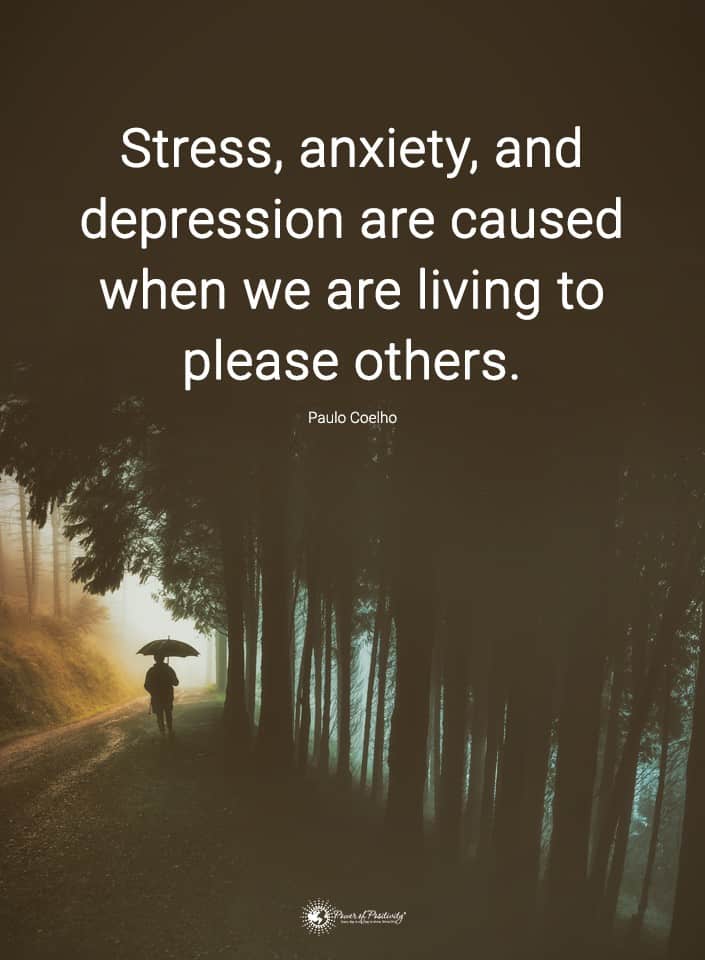
Spiritual burnout is what happens when you have given more than you had. You served, you showed up, you said yes when you were already exhausted, and eventually something inside you just went quiet.
It is not the same as losing your faith. It is exhaustion that has built up in your faith life, often from years of over-giving, performing, or carrying more than God ever asked you to carry.
You are not the first person of faith to end up here. In 1 Kings 19:4, the prophet Elijah collapsed under a desert tree after years of tireless ministry and prayed, “I have had enough, Lord.” He was not faithless. He was completely spent. And God’s first response was not a rebuke. It was rest.
Do any of these feel familiar?
Signs You May Be Experiencing Spiritual Burnout
Worship songs that once moved you now feel hollow Prayer feels like talking to a wall Church commitments feel like obligations, not joy You still believe, but the warmth has gone cold Your sense of self stays mostly intact — the situation feels like the problem, not youThat last point matters, and we will come back to it.
 What Does Depression Look Like?
Depression is different. It permeates every aspect of your life. It bleeds into everything: your sleep, your appetite, your relationships, and your ability to feel anything at all.
Where spiritual burnout is exhausting, depression can feel like a fog that follows you into every room, regardless of what is happening around you.
One of the most revealing signs is the inward shift of weight. With burnout, it feels as though the situation itself is the problem. With depression, you start to feel like the problem.
A quiet voice says you are worthless, hopeless, or too far gone, and it does not point to anything specific to explain why.
Depression may also show up as:
Signs You May Be Experiencing Depression
Persistent sadness or emptiness that has no clear cause Loss of interest in things you used to enjoy, including faith Fatigue that does not improve with rest Feelings of worthlessness or hopelessness Changes in sleep, appetite, or ability to concentrateIt is also worth knowing that rest alone may not help. You can sleep ten hours, take a week off, step back from every obligation, and still wake up feeling completely flat.
That is strength, and it reflects faith. It clearly signals that what you are carrying may need more than prayer and rest.
 How to Tell the Difference Between Spiritual Burnout vs Depression
When you are in the middle of either one, they can feel almost identical. Empty. Exhausted. Far from God. So how do you begin to tell them apart?
There are three questions worth sitting with.
First: can you point to a source? Spiritual burnout is almost always tied to something specific. Examples of spiritual burnout include a season of over-commitment, a draining ministry role, or a long stretch of giving without receiving. Depression often arrives without a clear trigger. If you cannot point to a reason, that matters. Second, does rest help? Burnout responds to genuine relief. A step back, a slower season, real sleep, and permission to stop. Depression does not work that way. You can rest for weeks and still feel completely hollow. That gap between rest and relief is one of the most important signals to pay attention to. Third: where is the weight landing? Burnout tends to make the situation feel like the problem. Depression turns that inward, and you start to feel like you are the problem yourself.| Energy | Drained by faith activities and over-commitment | Drained by everything, all the time |
| Source | Usually tied to a specific cause | Often no clear external trigger |
| Self-worth | Usually stays intact | Often affected, turns inward |
| Rest response | Improves with genuine rest and relief | May not improve even after rest |
| Prayer life | Feels dry and empty | May feel impossible or pointless |
| Key feeling | Exhausted but still believing | Hopeless, worthless, or disconnected |
You may not fit neatly into one column, and that is okay. These two things can coexist, and many people experience both at once.
What matters is that you are paying attention, because both deserve care.
Finding Your Way Back: Healing Spiritual Burnout
If what you are experiencing sounds more like burnout, there is a path forward. It does not start with doing more. It starts with permission to stop.
The first step is honesty with God. It’s not about polished prayer or showing up with the right words. Just the truth. Elijah did not dress up his exhaustion when he cried out under that tree, and God did not ask him to. You can tell God exactly where you are, even if that place is “I have nothing left.”
From there, healing usually comes through simplicity. This often involves stepping back from commitments that were never yours to carry. Letting Sabbath be a real practice rather than an idea you admire.
Re-entering faith is not a matter of obligation but rather a response to the faintest spark of desire. As Matthew 11:28 reminds us, the invitation has always been to come as you are, weary and burdened, not polished and performing.
Healing from burnout also means untangling your identity from your output. God loves you equally, whether you are busy for Him or not.
Signs You May Be Healing from Burnout
✓ Your prayers feel less like a performance and more like a conversation ✓ You can say no to a commitment without guilt taking over ✓ Rest feels like permission, not laziness ✓ You find yourself wanting to open your Bible, not just feeling like you should ✓ Faith feels quiet and small again, and that feels okayRecovery is not linear, and it is not quick. But burnout does heal, and you will not always feel this way.
When It Is Time to Reach for More Help

If you read through Section 2 and something in you went still, please stay with that feeling for a moment.
Spiritual practices are powerful. Prayer, rest, community, and Scripture, these things matter deeply and do real work in us. But if what you are carrying looks more like depression than burnout, faith alone may not be enough to lift it, and that reflects neither your level of belief nor your closeness to God.
Depression is not a spiritual failing. It is not evidence that your faith is weak or that God has stepped back. It is a condition, and like any condition, it often needs the right kind of care to heal. You may want to consider reaching out if you notice the following:
Sadness or emptiness that has lasted more than two weeks Feelings of worthlessness or hopelessness that will not shift Loss of interest in things that used to bring you joy Changes in sleep or appetite that are affecting your daily life A sense that nothing, including rest or prayer, is helpingSeeking help from a doctor, a licensed counselor, or a therapist is not a retreat from faith. For many people, it is one of the most faithful decisions they have ever made. God works through people. He always has.
If you are unsure where to start, your doctor is a helpful first step. A trusted pastor or a licensed Christian counselor can also be a gentle entry point.
You do not have to have it all figured out before you reach out. Asking for help is not giving up. Showing up for yourself also means that God meets you there.
You Are Not Alone in This
Whether what you are carrying is burnout, depression, or something that feels like both, one thing remains true: you are not too far gone. Neither experience makes you a bad Christian or a weak one. They make you human.
God is not standing at a distance, waiting for you to find your way back to full strength before He shows up.
He is already here, in the exhaustion, in the fog, in the quiet. He was with Elijah under that desert tree, and He is with you now.
Rest. Reach out. Take the next small step. That is enough.
The post Spiritual Burnout vs Depression: How to Tell the Difference appeared first on Power of Positivity: Positive Thinking & Attitude.





 Bengali (Bangladesh) ·
  English (United States) ·