


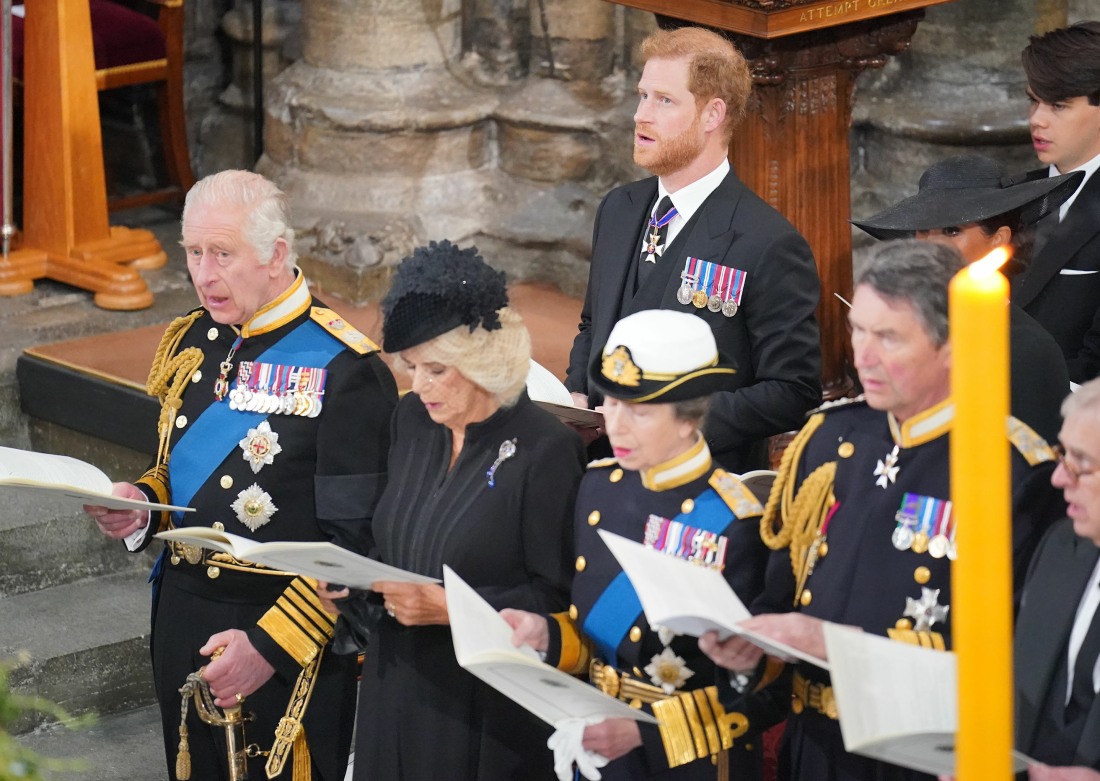
The UK Home Office has finally acquiesced to Prince Harry’s years-long request for a new risk assessment for his security. This means that for the first time since 2019, Ravec will gather information to study whether Harry, Meghan and the children should have automatic police security whenever they visit the UK. The situation since King Charles came on the throne is that Harry must give 30 days notice and “apply” for police security, and even with that notice, he has not received police protection for most of his visits to the UK in the past three years. Harry has also cited this bullsh-t “bespoke” arrangement as the reason why Meghan and the kids will not visit the UK.
Keep in mind, the risk assessment has not been completed and no one knows what the assessment will say. The fact that royalists writ large are convinced that the assessment will show that the Sussexes deserve police security in the UK is pretty telling, and that’s what all of the royalist reporting is based on too: once the assessment is completed, they’ll obviously find that the bespoke arrangement is insufficient. Almost like that was the whole point of Harry’s years of lawsuits and legal actions. Anyway, the Royalist Substack was on a conspiracy tear this week with this piece: “New Security Assessment Sparks Speculation Harry Could Be Moving Back Home.” These people are dumber than a box of hair. This is another version of “Harry does private philanthropy, therefore he’s dying to be a working royal again.”
Rumors were swirling Tuesday afternoon that Prince Harry could be moving back to the U.K. after he was handed something he has been demanding for years and was previously told he categorically could not have: a new threat assessment by the British government. The sudden shift has jolted the is-Harry-coming-home narrative into high gear, while rattling friends of Prince William, who had hoped that the Sussex question had been settled, by, well, exile.
Although any move is unlikely to be full-time, Harry has made no secret of his longing to spend more time in Britain. Ignited the speculation afresh is a discovery by Newsweek’s chief royal correspondent, Jack Royston, who unearthed from court records a 2020 statement by Sir Richard Mottram, the former chair of RAVEC—the body that decides who among Britain’s elite qualifies for state protection. Mottram explained at the time that Harry’s decision to “live mainly abroad” meant he no longer fell within the remit of the Risk Management Board, the mechanism that assesses the dangers facing senior working royals and top officials.
The RMB, Mottram said, was designed for U.K. residents. A non-resident prince, no matter how famous or how emphatically targeted, would have to accept a “bespoke” alternative. Royston summarized the essence of the position as: “RAVEC’s decision was not that Harry wasn’t at risk, but that the RMB process was designed for U.K. residents.”
That distinction, invisible to most casual observers and maddening to Harry, is the fulcrum on which this entire saga has pivoted. In 2020, RAVEC was saying, in effect: You are a high-profile target, but not our high-profile target. That Harry then sued the Home Office—and lost—in an attempt to force the state to treat him like a resident again only deepened the sense of stalemate. Which is why the fact he is now being given an RMB deserves real attention.
As Royston writes, “One thing that could trigger a new risk assessment would be if Harry were planning to move back.”
The point is that for the past four years, British officials have held the line that nothing in Harry’s circumstances justified reopening the question. For them to do so now suggests that something—perhaps everything—has changed. The tension is heightened by the long-running suspicion, often voiced by Harry’s own supporters, that RAVEC has been used as an instrument of pressure by the palace rather than purely as a committee of sober bureaucrats following threat matrices. Harry has always believed that the withdrawal of security was a form of coercion—punishment for stepping outside the institution’s control.
The optics have been very hard to ignore: Harry loses his security almost instantly after stepping away from royal duties; RAVEC insists its hands are tied; Harry offers to pay for police protection and is rebuffed; the Home Office defends the decision with near-maniacal zeal; then Harry loses again in court earlier this year when he sought to challenge the fairness of the process itself. Now, miraculously, he has what he wants? Why?
The Royalist previously reported that Harry had put his son’s name down for Eton, although this was subsequently denied by Harry. However, rumors that he intends to educate his children in the U.K. continue to circulate. Those close to Harry insist this is fantasy. He enjoys the “California sunshine,” they say, and has absolutely no intention of moving back to the U.K. They dismiss talk of a deep-state “plot” to drag him home as ridiculous and say the new assessment reflects nothing more than routine process catching up to reality: Harry remains one of the most targeted individuals on the planet, resident or not.
The broader context also cannot be ignored. The British state is recalibrating itself in the twilight of Charles’ reign, and while William wants nothing to do with Harry, and friends of his expressed irritation to The Royalist about the new development, the system itself may want clarity before the throne changes hands.
Sykes cites Royston at length, who claims his theory is purely Occam’s Razor: Harry is getting a risk assessment because, obviously, he plans to move back to the UK and be a full-time resident. Wouldn’t the Occam’s Razor explanation be buried within this passage: “The British state is recalibrating itself in the twilight of Charles’ reign…” Scooter King is not yet king, actually. King Charles is holding onto the throne with both hands, and in the “twilight” of his reign, he wants to settle some things with his charismatic son, his darling boy. The risk assessment going ahead is about Charles, not Harry and not William. This whole situation reads like Charles and his courtiers pulling strings and pushing an agenda to ensure that Harry will be able to spend some time with Charles in his “twilight.” Or at the very least, Charles wants to ensure that the Sussexes come to his funeral.
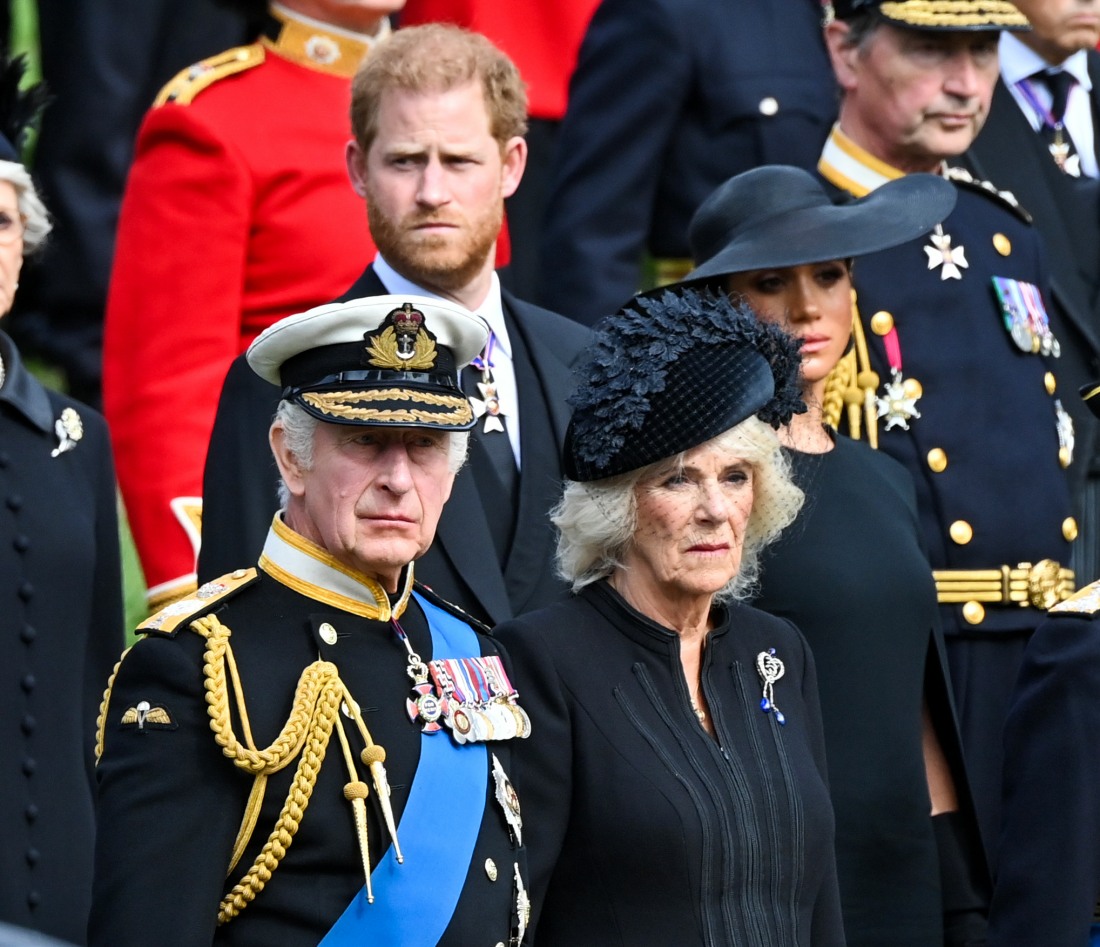
Photos courtesy of Avalon Red, Cover Images.















 Bengali (Bangladesh) ·
  English (United States) ·