

What You Should Know
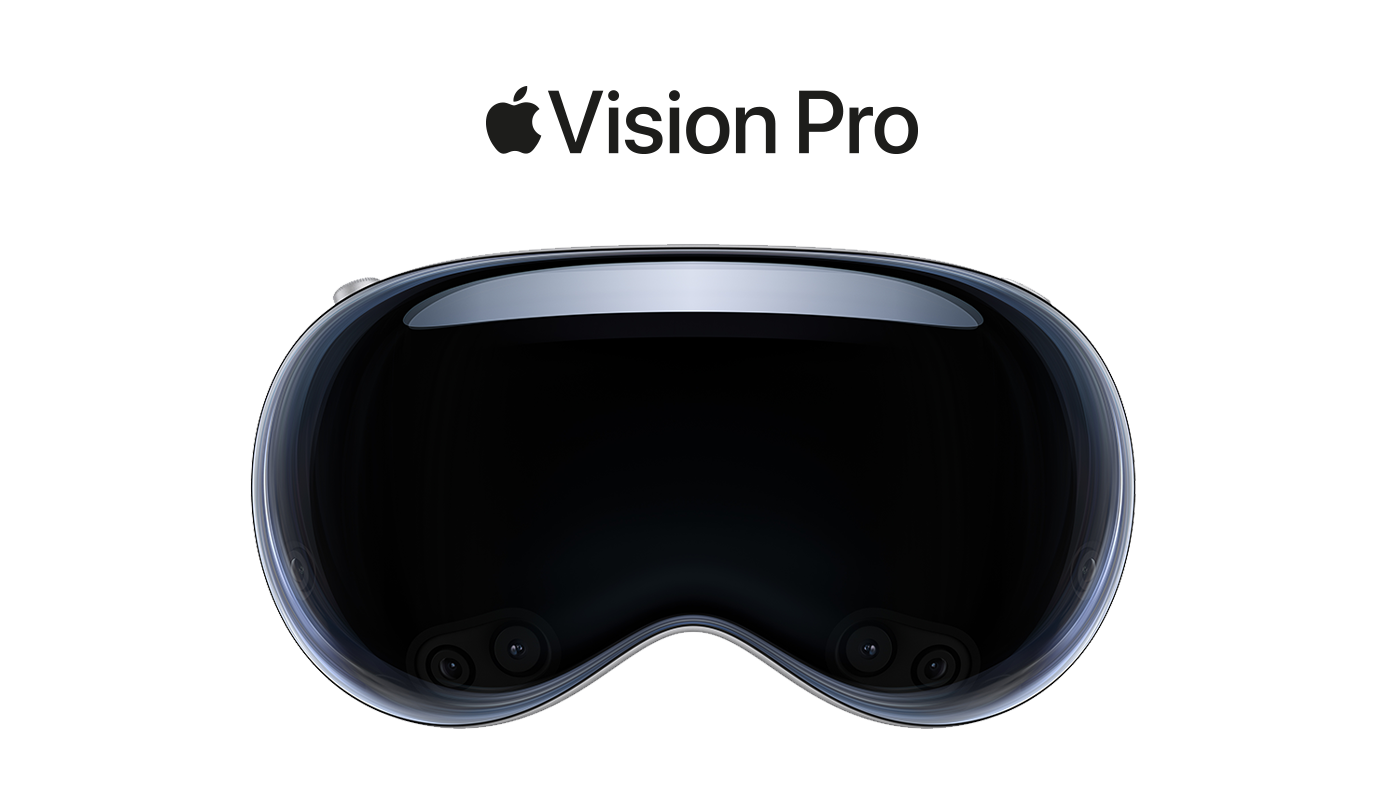
Dr. Eric Rosenberg of SightMD became the first surgeon to perform a cataract surgery using the Apple Vision Pro in October 2025.The procedure utilized ScopeXR, a custom-built mixed reality surgical platform that streams live feeds from 3D digital microscopes directly into the headset.Dr. Rosenberg has since used the device to assist in hundreds of additional cases, demonstrating the hardware’s viability for routine surgical use.The system enables real-time remote collaboration, allowing external consultants or medical students to view the operative field exactly as the surgeon does.While consumer adoption remains lackluster, the Vision Pro’s $3,499 price point is considered highly affordable compared to traditional specialized medical equipment.The Apple Vision Pro, initially criticized for its high consumer price and bulky form factor, is finding a second life as a high-precision medical utility. In a historic medical milestone, New England-based ophthalmologist Dr. Eric Rosenberg successfully integrated the mixed reality headset into a cataract surgery in late 2025. By pairing the device’s best-in-class resolution with specialized software, surgeons can now overlay critical diagnostic data directly onto a stereoscopic 3D view of the patient’s eye.
This achievement follows the first-ever surgery performed with the device by Dr. Santiago Horgan in September 2024, which focused on hernia repair. The move toward ophthalmology represents a significant technical leap, given the extreme precision required for microsurgeries involving vision.
Reimagining Surgical Navigation with ScopeXR
The success of the procedure depended heavily on ScopeXR, a “mixed reality surgical platform” co-developed by Dr. Rosenberg. The software acts as a digital bridge, taking real-time data feeds from 3D digital microscopes and other operating room equipment and beaming them into the Vision Pro’s displays. This allows the surgeon to maintain a heads-up posture while viewing the operative field in high-definition 3D.
Beyond visual depth, the platform utilizes augmented reality to:
Overlay pre-operative data: Surgeons can view patient history and diagnostic scans without looking away from the operative site.Democratize expertise: The first-person video feed can be shared globally via the internet, allowing world-class specialists to “beam in” and consult on complex cases in real time.Enhance Training: Medical students and residents can observe every cut and stitch from the surgeon’s exact perspective, providing a first-hand visual aid previously impossible in traditional training environments.An “Affordable” Alternative for Community Hospitals
Ironically, the $3,500 price tag that deterred many consumers has become a selling point for the medical community. Compared to the proprietary 3D visualization systems used in many modern operating rooms—which can cost tens of thousands of dollars—the Vision Pro is a budget-friendly alternative. Its ease of connectivity and adaptability make it particularly attractive for regional or community hospitals with limited infrastructure budgets.
Apple has subtly pivoted its strategy to support these high-value enterprise use cases in medicine, aviation, and industrial design. While the company has reportedly paused development of future Vision headsets to focus on lightweight smart glasses, they introduced an updated Vision Pro model featuring the M5 chip in October 2025 to bolster performance for these professional applications.





 Bengali (Bangladesh) ·
  English (United States) ·