

You may not be able to buy memory right now, but the good news for a hopeful future is there's potentially quicker and smaller RAM on the horizon. JEDEC, the council that sets industry standards for RAM, has published a preview of what DDR6 could look like, and it seems like it will be itty and bitty.
According to JEDEC, DDR6 will bring with it higher bandwidth, higher capacities, better reliability, more energy efficiency, and different form factors (via VideoCardz).
Starting with bandwidth, DDR6 RDIMMs will start at a speed of 12.8 GT/s and are set to move up to "14.4 GT/s and beyond." DDR5 maxes out at 9.2 GT/s, representing a sizable bump. It also expands the data bus from 64 to 96 DQ, which no doubt contributes to the bandwidth increase.
That is fast, though not two times faster like DDR5 versus DDR4. It is worth noting, however, that memory modules tend to get faster over their lifetime so we don't know where that might end up.
The module for DDR6 is now 74 mm, which is almost half of the 133 mm for DDR5. This is supposedly "intended to help accommodate higher system memory density", with DDR6 supporting up to 128 GB DRAM die density (double that of DDR5).
There are other gains to be had with DDR6 too. JEDEC says it targets an improved performance-per-watt over DDR5 "through a change to VSS-terminated IO and data-center-focused low power modes"
JEDEC says DDR6 can support a "breadth of form factors", including RDIMM, UDIMM, CAMM.
Now for one thing you may not want to hear, but might have already suspected: JEDEC says DDR6 is 'built for the data center". It says its interface is "optimised for high-capacity modules with configurations oriented to general purpose compute as well as AI inferencing and agentic AI, which demand more capacity and performance close to the CPU."
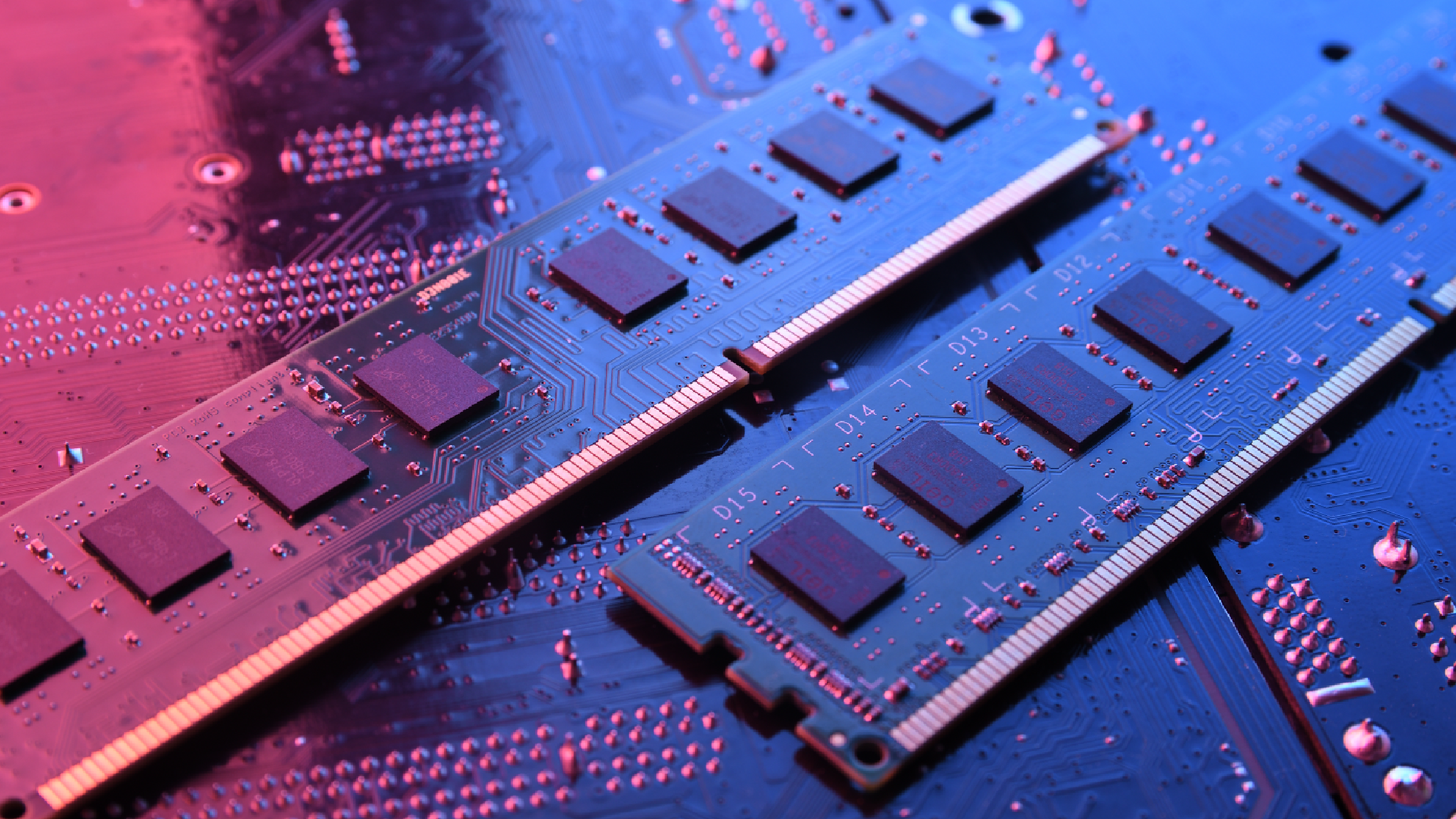
Being built for data center usage does not mean consumers will be left out in the cold, of course, but it does further signal just how much memory is being designed for future AI usage. And the memory crisis seems set to last at least through 2027, even if Acer's CEO reckons it's impossible for it to last until 2030. It is all heavily reliant on how much memory supply can be ramped up and how much memory demand comes from the AI boom, which is certainly a hard-to-predict industry.
Continuing the trend of news you don't want to hear, we don't know when DDR6 is supposed to be available to the public. It seems like the release window is between 2028 and 2029, but we don't have any more information than that. And that's before musing on whether we non-AI data center owners will ever be able to afford the module. Hopefully, the memory crisis will cool off in a couple of years, and DDR6 will actually be affordable for PC gamers, though whether it will be relevant for PC gaming is a whole other thing. But, to steal a line from The Shawshank Redemption, "Hope is a dangerous thing".





 Bengali (Bangladesh) ·
 English (United States) ·