
 1 hour ago
4
1 hour ago
4 
The post Clean Eating for Beginners: Simple Guide to Start appeared first on Penny Pinchin' Mom.
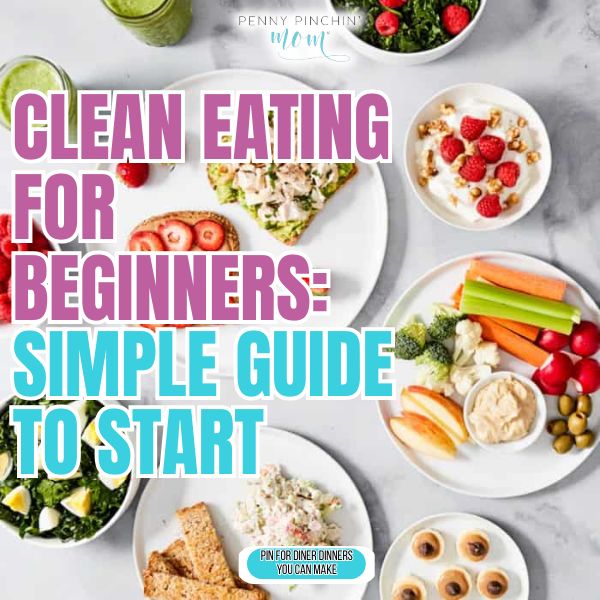
You’re standing in the grocery store reading ingredient lists, wondering if this box of crackers counts as “clean” or if you just ruined everything by buying chicken that wasn’t organic. Clean eating for beginners gets thrown around like everyone knows exactly what it means, but ask ten different people and you’ll get ten different answers: some involving elimination diets that require a second mortgage, others so vague they’re useless.
It doesn’t require perfection, a nutritionist, or ingredients you can’t pronounce. It means choosing foods as close to their natural state as possible: actual chicken instead of chicken nuggets, real strawberries instead of strawberry-flavored anything, olive oil instead of mystery seed oil blends. That’s it. No food religion required.
This guide cuts through the noise to show you what actually counts as clean eating, what doesn’t matter as much as Instagram makes you think, and how to start without overhauling your entire kitchen in one weekend. You’ll get a realistic 7-day plan that uses your crockpot for most dinners (because who has time to cook from scratch every night?), plus clean eating recipes you can actually repeat without special trips to Whole Foods.
By the end of this, you’ll know which swaps matter most, which “rules” to ignore, and how to feed your family better without adding an hour to dinner prep or doubling your grocery bill.
What Clean Eating Actually Means (No Gatekeeping Version)
Clean eating means choosing whole, minimally processed foods most of the time. If your great-grandmother would recognize it as food, you’re probably good. An apple is clean. Apple-flavored breakfast bars with 47 ingredients are not.
The core principle: fewer ingredients, less processing, more real food. What that looks like in practice:
Foods that count as clean eating:
Fresh or frozen fruits and vegetables (yes, frozen counts—often more nutritious than “fresh” produce that’s been traveling for days) Whole grains like brown rice, quinoa, oats, whole wheat bread with 5 ingredients or less Lean proteins: chicken, turkey, fish, eggs, beans, lentils Nuts, seeds, and nut butters with just nuts and maybe salt Dairy or dairy alternatives without added sugars (plain yogurt, cheese, unsweetened almond milk) Oils like olive oil, avocado oil, and coconut oil Herbs, spices, vinegar, mustardFoods that don’t make the cut:
Anything with ingredients you can’t picture in nature (maltodextrin, anyone?) Products with more than 5-7 ingredients (especially if those ingredients have numbers) Foods where sugar appears in the first three ingredients Heavily processed meats like hot dogs, deli meat with fillers, and chicken nuggets Pre-made meals with unpronounceable additives Regular soda, energy drinks, flavored coffee syrupsWhat doesn’t matter as much as you think:
Whether your chicken is organic (conventional chicken is still clean eating) If your frozen vegetables came in a bag instead of fresh from a farmers’ market Whether your pasta is regular, whole wheat or the $8 ancient grain version If your canned beans have salt (just rinse them)Most families can hit 80% clean eating without buying anything organic or shopping at specialty stores. Start with what you can afford and access. Frozen vegetables are cleaner than no vegetables. Conventional chicken is cleaner than chicken nuggets. Progress over perfection.
How to Start Clean Eating Without Losing Your Mind
The biggest mistake beginners make is trying to overhaul everything at once: throwing out half the pantry, meal prepping 14 days of food, and committing to never eating bread again. That lasts about four days before you’re elbow-deep in a bag of chips, wondering what went wrong.
Start with these three swaps this week:
Replace one processed breakfast with a whole food option. Swap sugary cereal for oatmeal with fruit and a drizzle of honey. Or eggs with whole wheat toast. Pick one breakfast, eat it all week, and don’t think about it again until next week.
Swap one packaged snack for whole foods. Instead of granola bars (usually just candy bars in disguise), eat an apple with peanut butter. Or carrots with hummus. Or a handful of almonds. One snack, repeated daily.
Add one vegetable to dinner every night. Doesn’t matter which one. Frozen broccoli, bagged salad, roasted sweet potatoes—just one vegetable that wasn’t there before. This alone moves you from processed-heavy to whole-food-focused.
Clean eating crockpot meals save you when willpower runs out around 5 pm. Throw chicken breasts, salsa, and black beans in the crockpot before work. Come home to shredded chicken for tacos with real tortillas, lettuce, and cheese. That’s clean eating. Or chicken, potatoes, carrots, and broth for a one-pot dinner that requires zero thought.
Most families see results in 2-3 weeks: better energy, less afternoon crashes, and often a few pounds lost without trying. You’re not eating less—you’re eating real food that doesn’t spike and crash your blood sugar every two hours.
Common roadblocks and how to handle them:
Budget concerns? Buy whatever’s on sale (chicken thighs instead of breasts, canned instead of fresh tomatoes, frozen instead of fresh berries). Clean eating doesn’t require premium prices—it requires whole foods at whatever price point works.
No time to cook? Crockpot meal prep means dumping ingredients in the morning and eating real food by dinner. Sheet pan dinners take 10 minutes of prep: chicken, potatoes, and vegetables on one pan, roast for 30 minutes, done.
Family won’t eat “healthy” food? Don’t announce you’re “eating clean” like it’s a new household rule. Just serve dinner. Crockpot chili tastes like regular chili. Homemade burgers on whole wheat buns taste like burgers. Most families don’t notice the swap if you don’t make it a production.
The goal isn’t perfection—it’s eating more real food than processed food most days. If 60% of your meals this week are whole foods, you’re winning.
7-Day Clean Eating Starter Plan
This plan uses mostly clean eating crockpot meals for dinners because prep time matters. Each breakfast and lunch repeats for simplicity—you’re building habits, not auditioning for a cooking show. Prep time: 10-15 minutes per dinner, most of it just chopping vegetables or dumping ingredients in the crockpot.
Breakfast (same all week): Oatmeal with banana slices, cinnamon, and a spoonful of peanut butter. Or scrambled eggs with whole wheat toast. Pick one, repeat it.
Lunch (same all week): Rotisserie chicken (yes, this counts) with mixed greens, cherry tomatoes, cucumber, and olive oil. Or leftovers from dinner.
Snack (same all week): Apple with almond butter, or carrots with hummus, or a handful of nuts.
Day 1 – Crockpot Salsa Chicken:
Chicken breasts, jar of salsa, black beans (rinsed). Cook on low for 6 hours. Shred and serve in whole-grain tortillas with lettuce, cheese, and avocado. 10 minutes prep.
Day 2 – Sheet Pan Chicken and Vegetables:
Chicken thighs, sweet potato chunks, broccoli florets, olive oil, salt, pepper. Roast at 400°F for 35 minutes. 10 minutes prep.
Day 3 – Crockpot Beef and Vegetable Stew:
Stew meat, baby carrots, potatoes, onion, beef broth, and tomato paste. Cook on low for 7-8 hours. Serve with crusty whole-grain bread. 15 minutes prep.
Day 4 – Simple Baked Salmon:
Salmon fillets, lemon, garlic, olive oil. Bake at 400°F for 12-15 minutes. Serve with brown rice and steamed green beans. 10 minutes prep.
Day 5 – Crockpot Chicken Fajita Bowls:
Chicken breasts, bell peppers, onions, and fajita seasoning. Cook on low for 5-6 hours. Serve over brown rice with black beans and salsa. 10 minutes prep.
Day 6 – Ground Turkey Tacos:
Ground turkey, taco seasoning (or cumin, chili powder, garlic powder), diced tomatoes. Cook in a skillet for 15 minutes. Serve in corn tortillas with lettuce and cheese. 15 minutes total time.
Day 7 – Crockpot White Chicken Chili:
Chicken breasts, white beans, green chiles, chicken broth, cumin, and garlic. Cook on low for 6 hours, then shred chicken. Top with plain Greek yogurt and cilantro. 10 minutes prep.
Each recipe uses common proteins, one vegetable, and one whole grain—shop your store’s sales and expect to spend $120-150 weekly for a family of 4. Most of these dinners provide leftovers for next-day lunches, stretching the budget further.
After this week: Repeat the same seven dinners or swap in similar clean eating recipes: crockpot pork with apples, sheet pan sausage and vegetables, crockpot lentil soup. The pattern stays the same: protein, vegetable, whole grain. You’re not learning 100 new recipes—you’re rotating 10-12 reliable ones.
Clean eating for beginners means choosing real food over processed food most of the time: not achieving perfection, not buying everything organic, not spending three hours on dinner. Focus on the three starter swaps (real breakfast, whole food snack, vegetables at dinner), use your crockpot for weeknight sanity, and stop reading ingredient lists like they’re moral judgments. If 60% of your meals this week are whole foods, you’re already ahead of most American households.
Your next step: Pick ONE dinner from the 7-day plan and make it twice this week. If your family eats it both times without complaint, add it to your rotation. Then pick a second dinner next week. You’re building a rotation of 10-12 meals over the next month, not learning everything at once. Write down what worked (taste, ease, family reaction) and what didn’t (too bland, took longer than expected, kids refused to touch it). Adjust from there. Clean eating isn’t about following someone else’s rules—it’s about finding what real food works for your family and repeating it until it’s just how you eat.
The post Clean Eating for Beginners: Simple Guide to Start appeared first on Penny Pinchin' Mom.





 Bengali (Bangladesh) ·
  English (United States) ·