
 9 hours ago
1
9 hours ago
1 
Villains are meant to represent everything the hero is not. They are written as obstacles, threats, or forces to defeat. Yet some stories go further and give their antagonists motivations that feel grounded in reality. These characters are not driven by pure evil, but by ideas that reflect real problems such as injustice, inequality, or fear of the future. This list explores fifteen movie villains whose reasoning raises uncomfortable questions, and in some cases, feels more logical than the world they are trying to change.
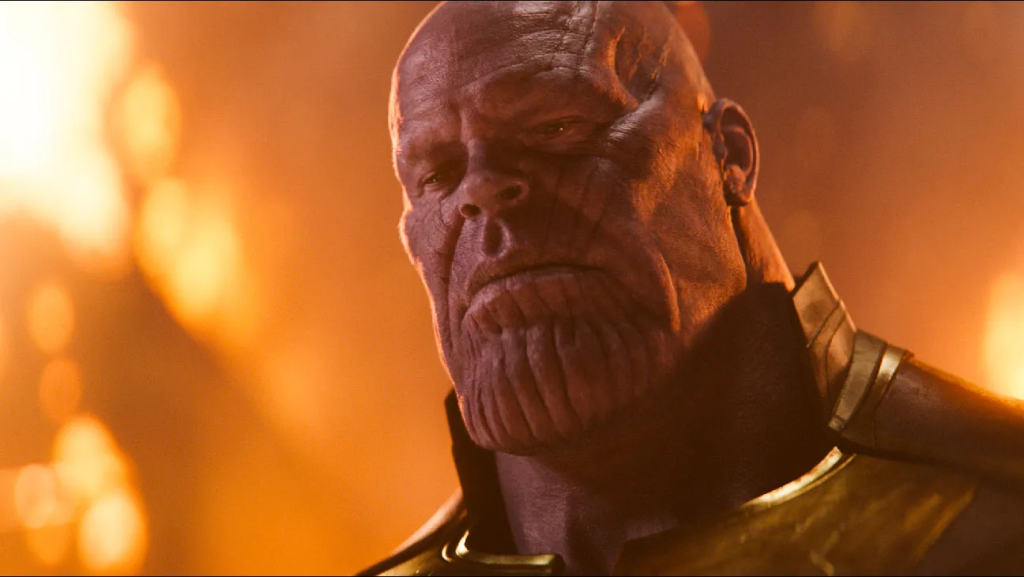
Thanos — Avengers: Infinity War
Thanos believes overpopulation will destroy the universe’s resources and sees himself as the only one willing to make the necessary sacrifice. His solution is horrifying, but the concern about finite resources and unsustainable growth reflects a real global issue.
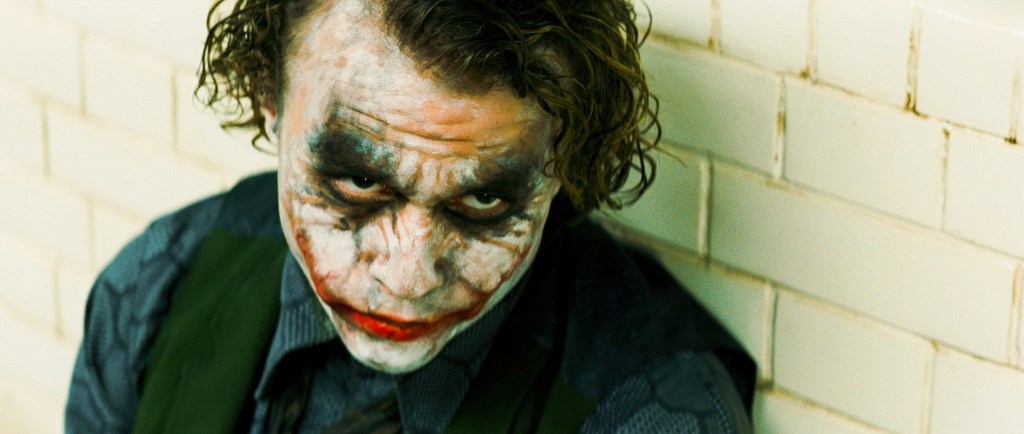
The Joker — The Dark Knight
The Joker seeks to expose how fragile morality is under pressure. He believes that anyone can descend into chaos given the right circumstances. While destructive, his experiments reveal uncomfortable truths about human nature.
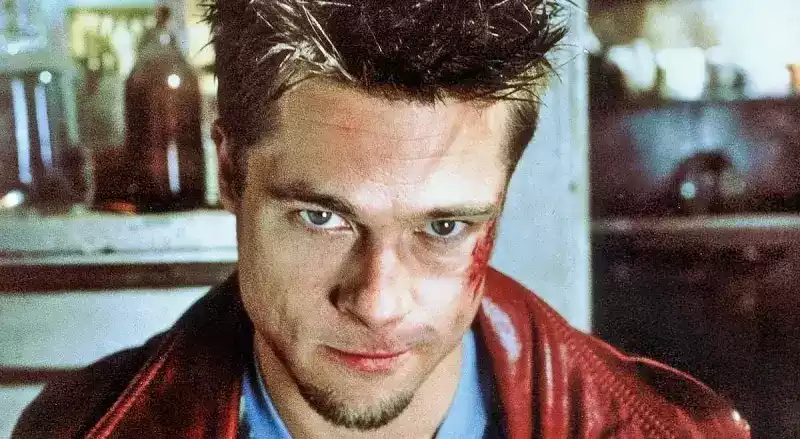
Tyler Durden — Fight Club
Tyler rejects consumerism and the loss of identity in modern society. He encourages people to break free from material dependence and reclaim purpose. His critique resonates, even if his anarchic execution spirals out of control.
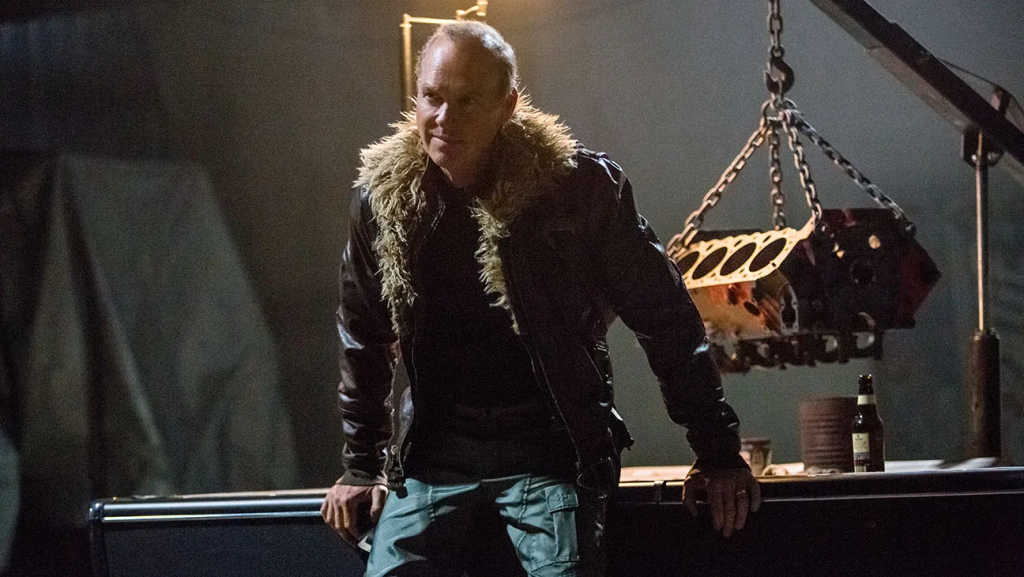
Vulture — Spider-Man: Homecoming
Vulture is a working-class man pushed out of business by powerful organizations. His turn to crime is motivated by survival and resentment toward a system that favors the elite. His frustration reflects real economic displacement.
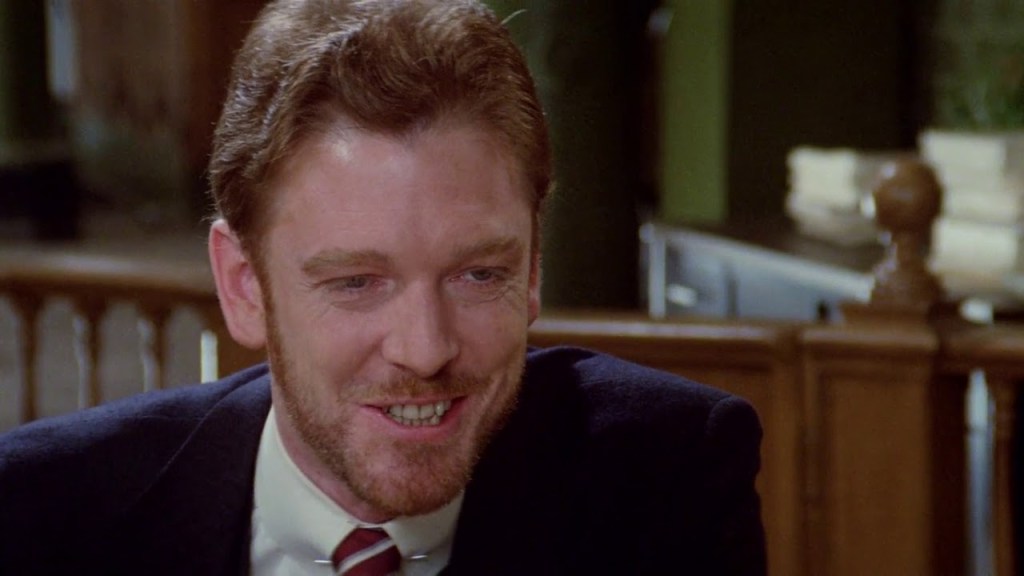
Walter Peck — Ghostbusters
Peck is concerned about the safety and legality of the Ghostbusters’ operations. He represents bureaucratic oversight and public accountability. While portrayed as annoying, his concerns are not entirely unreasonable.
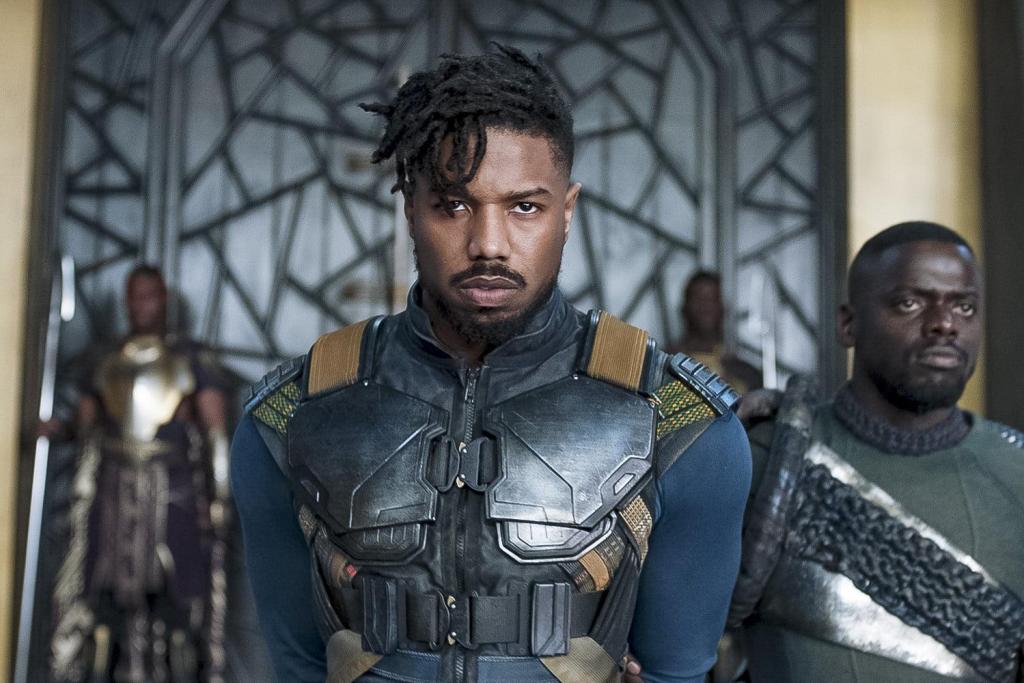
Erik Killmonger — Black Panther
Killmonger’s anger comes from a lifetime of abandonment and the systemic oppression of Black communities around the world. His core argument is that Wakanda had the resources to help but chose isolation instead. While his methods are violent, his criticism of inaction and inequality is hard to ignore.
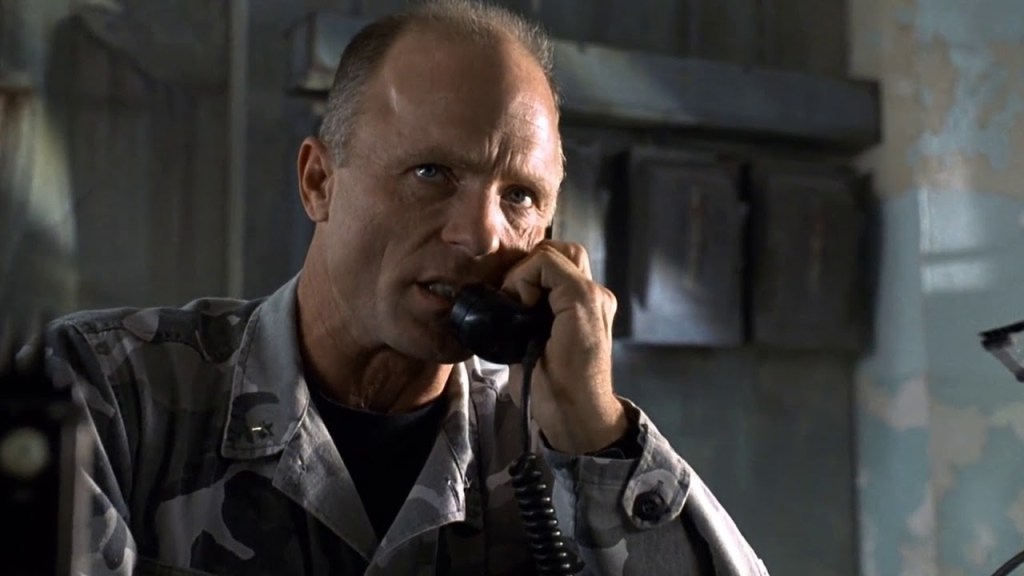
General Hummel — The Rock
Hummel takes drastic action to force the government to compensate soldiers who were secretly sent on deadly missions. His cause is rooted in justice for those abandoned by the system, even if his tactics escalate dangerously.
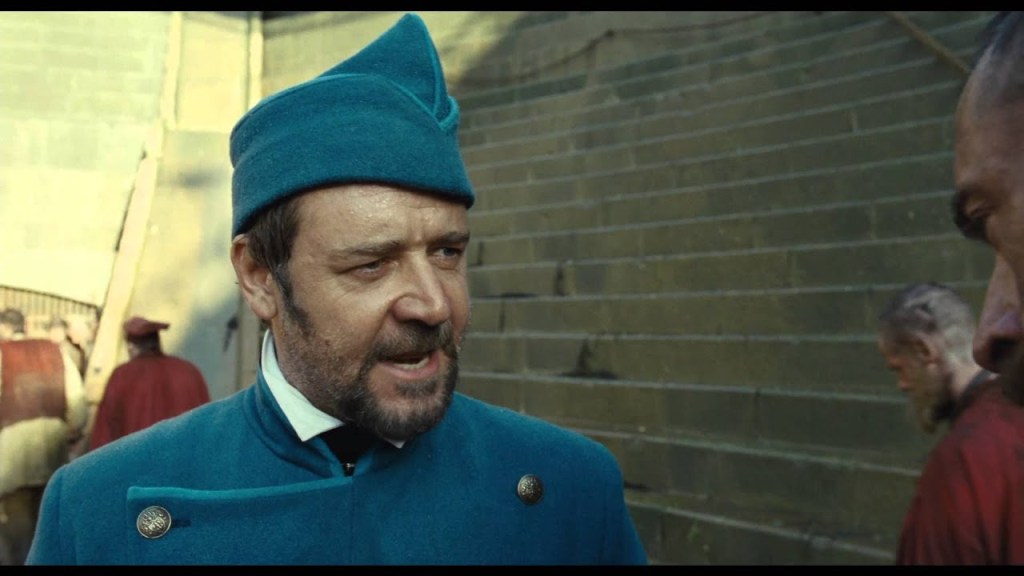
Javert — Les Misérables
Javert is devoted to law and order, believing that rules are what hold society together. His rigidity makes him an antagonist, but his commitment to justice and structure is not inherently wrong.
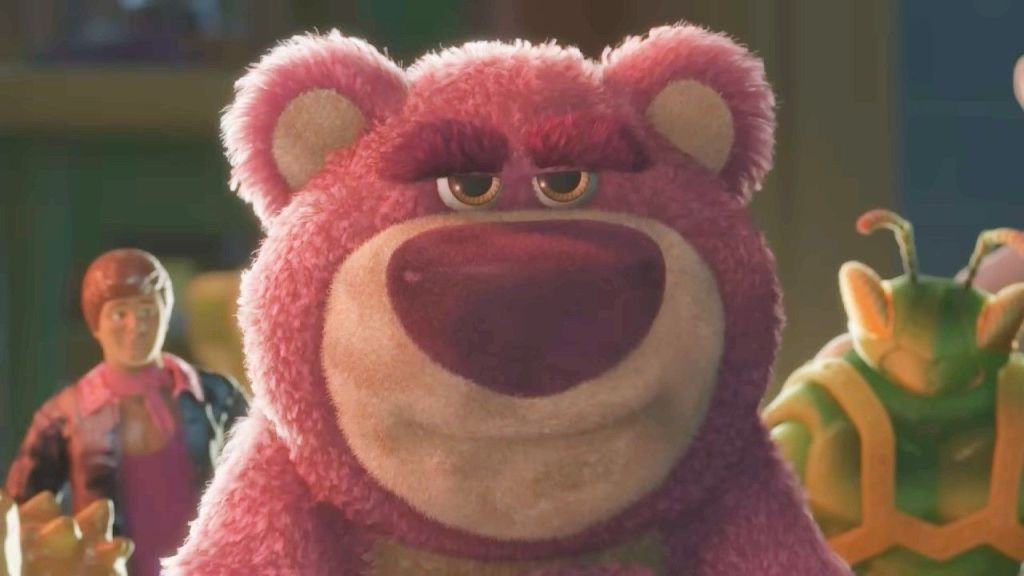
Lotso — Toy Story 3
Lotso’s bitterness comes from being replaced and abandoned. His worldview is shaped by the pain of realizing he was not irreplaceable. His reaction is cruel, but the emotional wound behind it is deeply human.
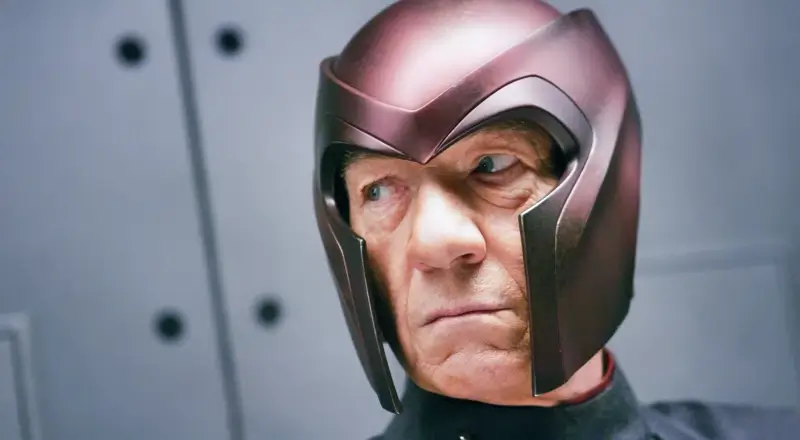
Magneto — X-Men
Having survived the Holocaust, Magneto views humanity as inherently dangerous to mutants. His desire to protect his kind comes from trauma and pattern recognition. While extreme, his fear of persecution is rooted in real historical behavior.
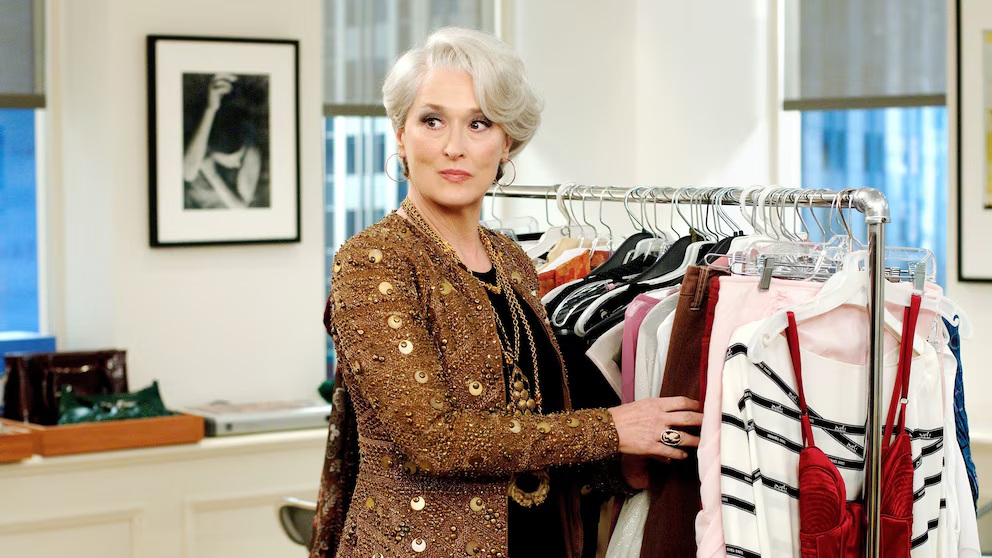
Miranda Priestly — The Devil Wears Prada
Miranda is not evil, but she represents the harsh reality of high-level success. Her expectations reflect the discipline and sacrifice required to stay at the top. While cold, her standards are consistent with the industry she dominates.
Ozymandias — Watchmen
Ozymandias orchestrates a catastrophic event to unite humanity against a common enemy and prevent nuclear war. His logic is utilitarian, sacrificing millions to save billions. It is morally disturbing, yet strategically effective.
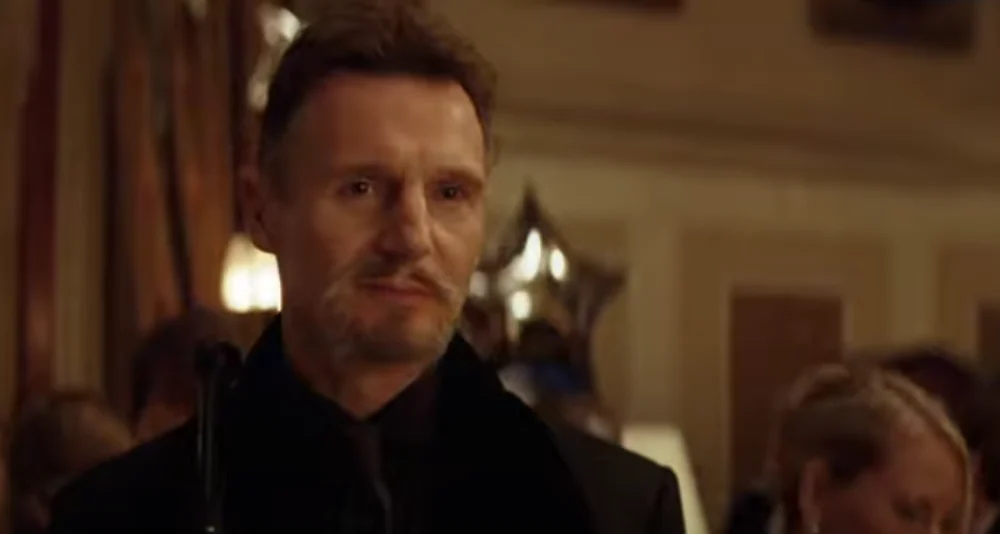
Ra’s al Ghul — Batman Begins
Ra’s believes that civilizations that become corrupt must be destroyed to restore balance. His philosophy is extreme, but it stems from the observation that unchecked decadence leads to collapse.
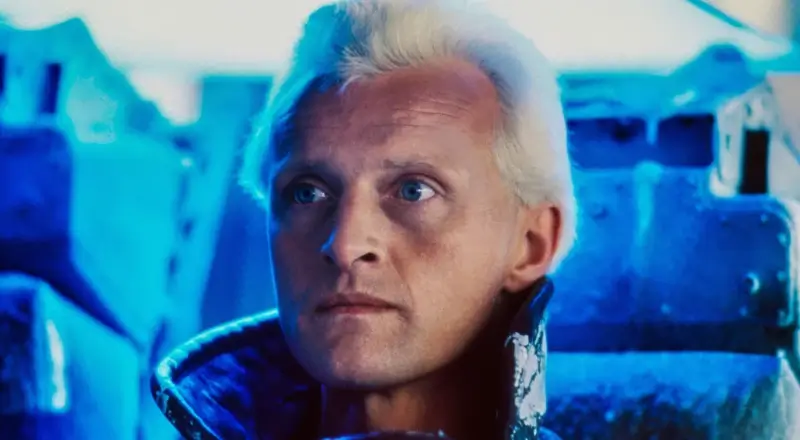
Roy Batty — Blade Runner
As a replicant, Roy is denied a full lifespan and autonomy. His rebellion is driven by a desire to live and be treated as more than a disposable product. His struggle raises questions about humanity, consciousness, and exploitation.
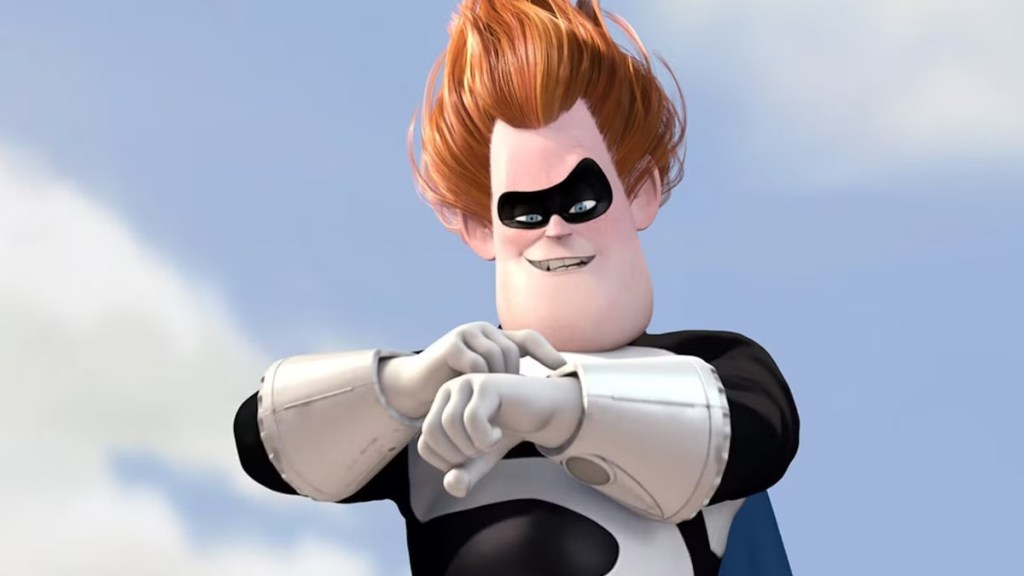
Syndrome — The Incredibles
Syndrome wants to democratize superpowers so no one is inherently special. His belief challenges elitism and the idea that greatness should be exclusive. The flaw lies in his need for revenge and control, not the concept itself.
The post 15 Movie Villains Who Really Had a Valid Point appeared first on Den of Geek.





 Bengali (Bangladesh) ·
  English (United States) ·